More Sections
Yachts for Sale
Discover new motor yachts, pre-owned yachts and projects under construction in the Aberton Yachts catalogue. Browse steel, aluminium and composite (GRP) yachts, including superyachts and megayachts from leading international shipyards.
All Yachts for Sale
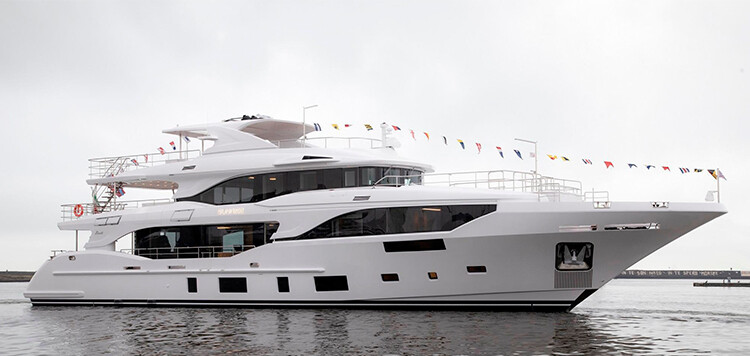 Benetti Mediterraneo 116
SUNRISE
2021
Turkey
35.50 m
GRP
0
13 900 000
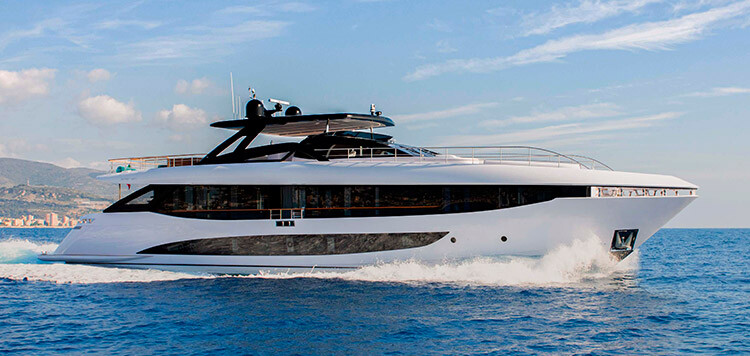 New Yacht Build
AMER 120
3Q/2028
Italy
35.50 m
GRP
0
13 860 000
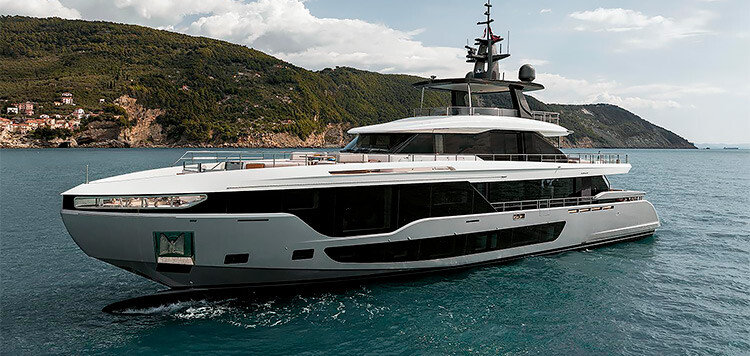 New Yacht Build
Azimut Grande 36 METRI
3Q/2028
Italy
35.29 m
GRP + Carbon Fibre
0
16 500 000
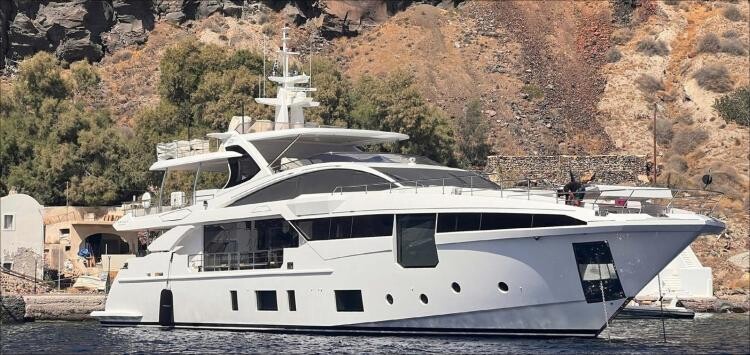 Azimut Grande 35m
Dagusha V
2020
35.00 m
GRP & Carbon Fibre
0
0
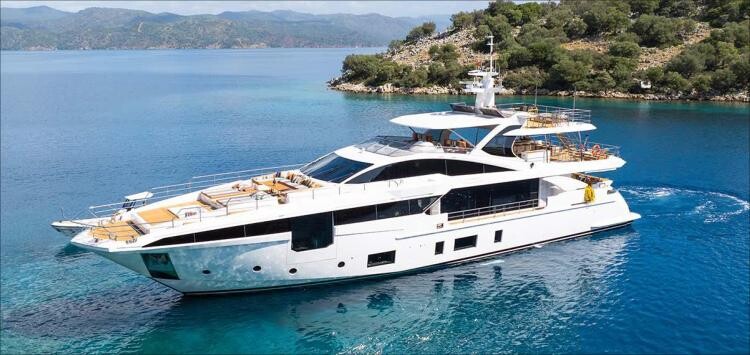 Azimut Grande 35m
Africa one
2021
35.00 m
GRP
0
0
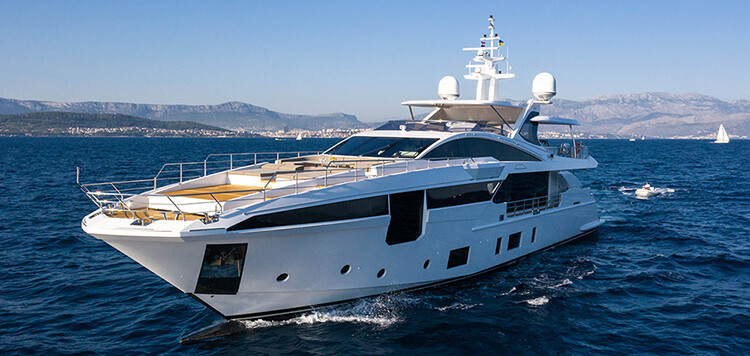 Azimut Grande 35 METRI
IRYNA
2019
Europe
35.00 m
GRP
0
9 900 000
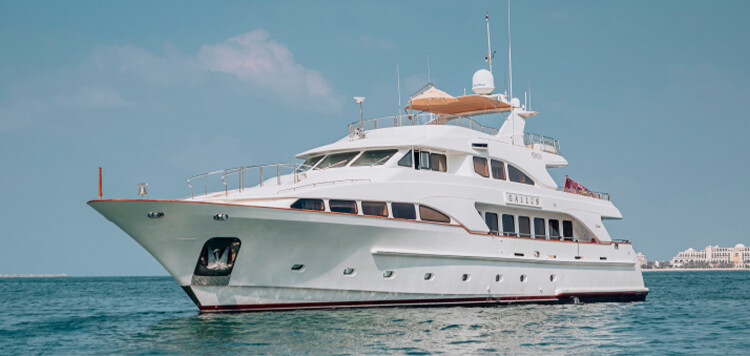 Benetti 115
GALLUS
2000
Dubai
35.00 m
GRP
3 750 000
3 500 000
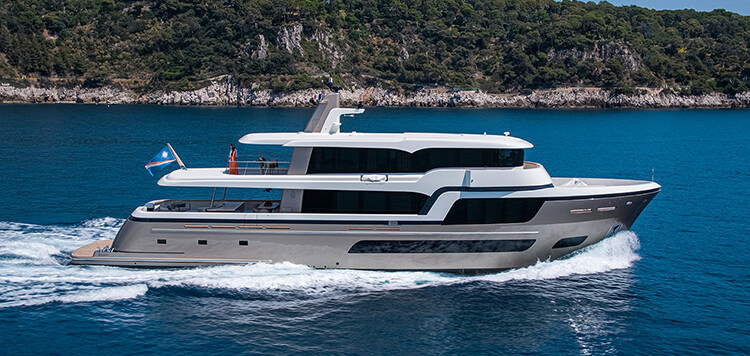 New Yacht
Van der Valk Explorer 34,5M
2025
Netherlands
34.50 m
Alu
0
16 000 000
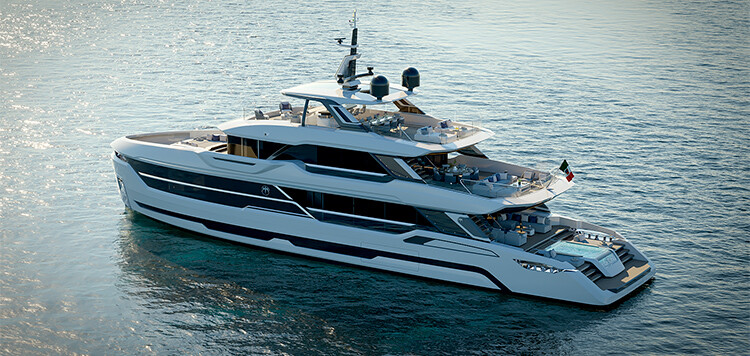 New Yacht Build
Baglietto DOM 115
2Q/2028
Italy
34.50 m
Steel & Alu
0
19 000 000
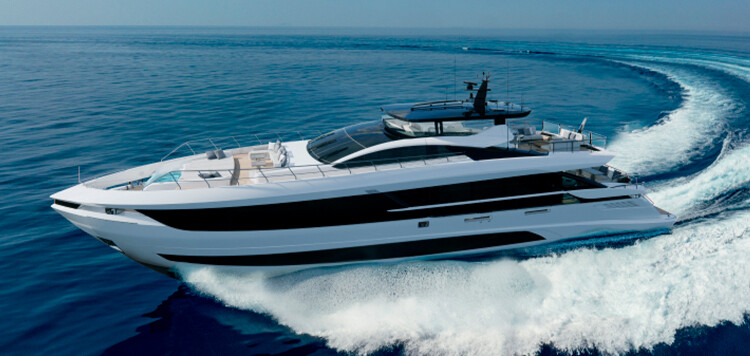 New Yacht
Mangusta GranSport 34
3Q/2025
Italy
33.90 m
GRP
0
12 000 000
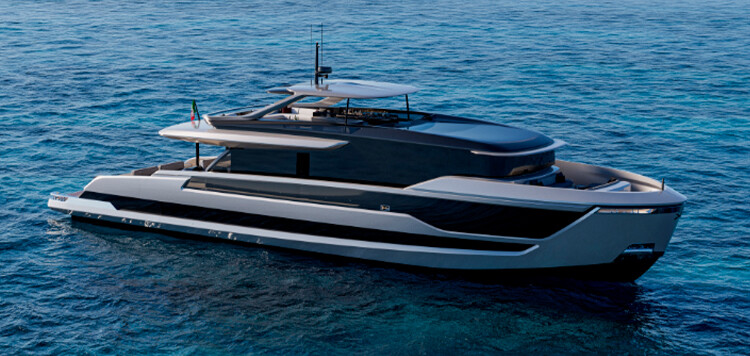 New Yacht Build
Extra X110 Fast
3Q/2028
Italy
33.50 m
GRP + Carbon Fibre
0
13 950 000
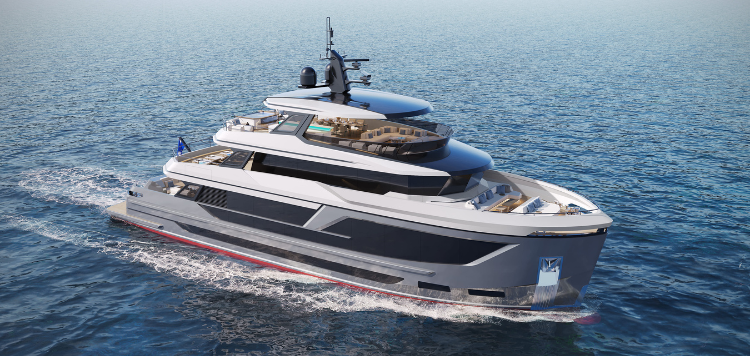 New Yacht Build
Bering B110
4Q/2028
Turkey
33.10 m
Steel & Alu
0
0
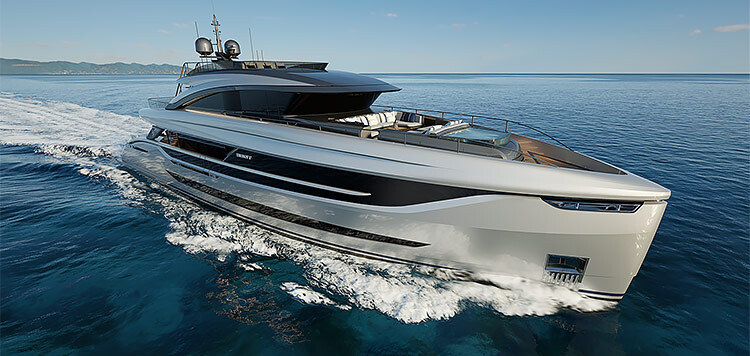 New Yacht Build
ISA Granturismo 33
4Q/2028
Italy
33.00 m
GRP & GRP
0
17 900 000
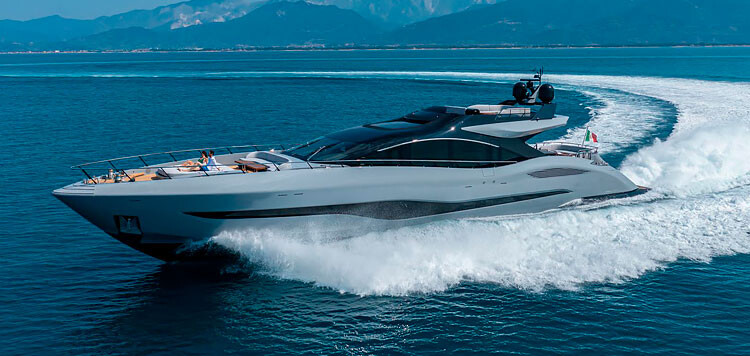 New Yacht Build
Mangusta 104 REV
2027
Italy
31.80 m
GRP
0
11 500 000
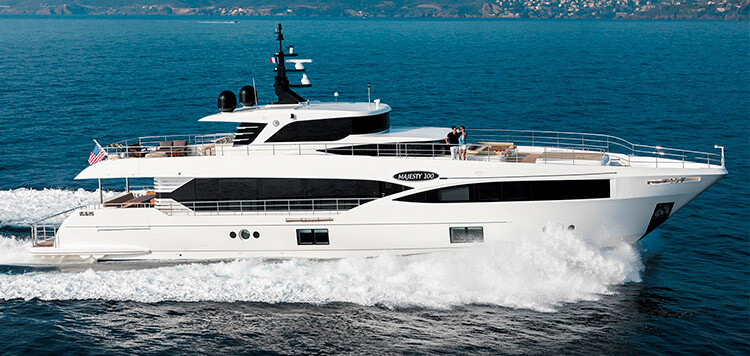 Name Please Enquire
Majesty 100
2019
Tivat
31.70 m
GRP
0
6 500 000
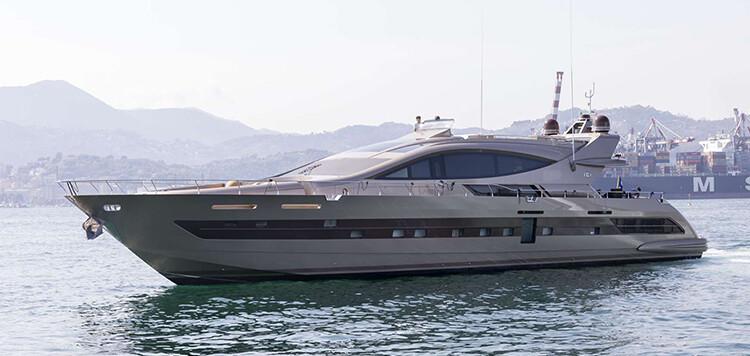 Cerri Cantieri Navali 102
FRANCESCA
2018
France
31.10 m
GRP
0
4 500 000
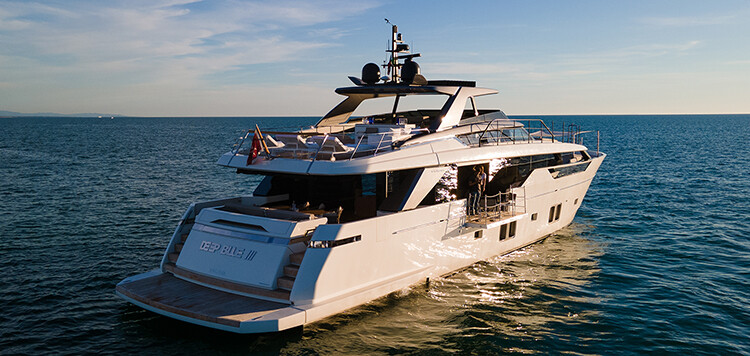 Sanlorenzo SL102 Assymetric
DEEP BLUE III
2019
Italy
31.10 m
GRP
0
9 500 000
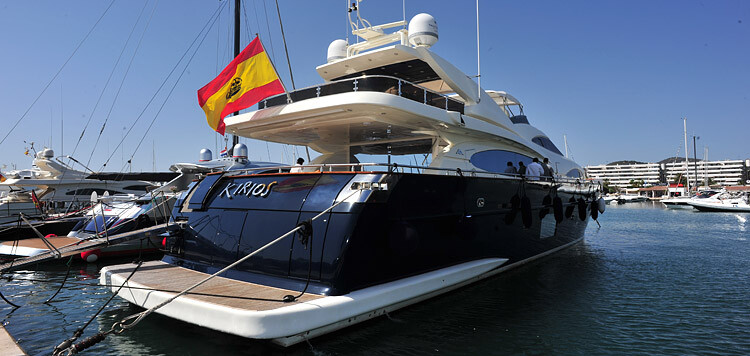 Astondoa 102 GLX
KIRIOS
2006
Spain
31.00 m
GRP
0
2 500 000
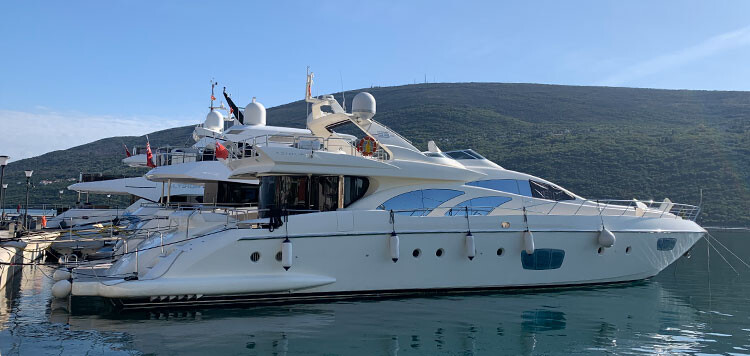 Azimut 98 Leonardo
JULIA
2008
Montenegro
30.75 m
GRP
0
2 800 000
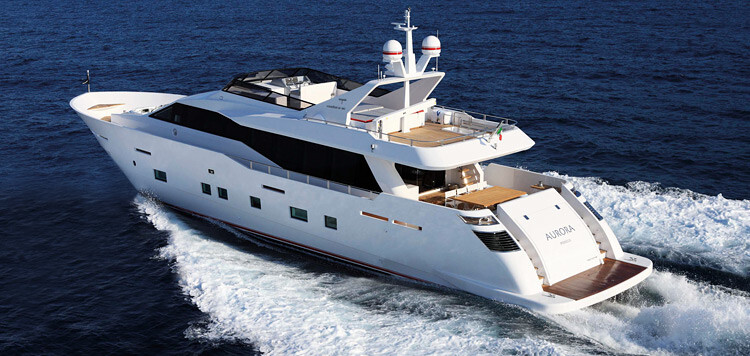 Tecnomar Nadara 30
AURORA
2011
Greece
30.60 m
GRP
2 700 000
2 550 000
 81Yachts For Sale
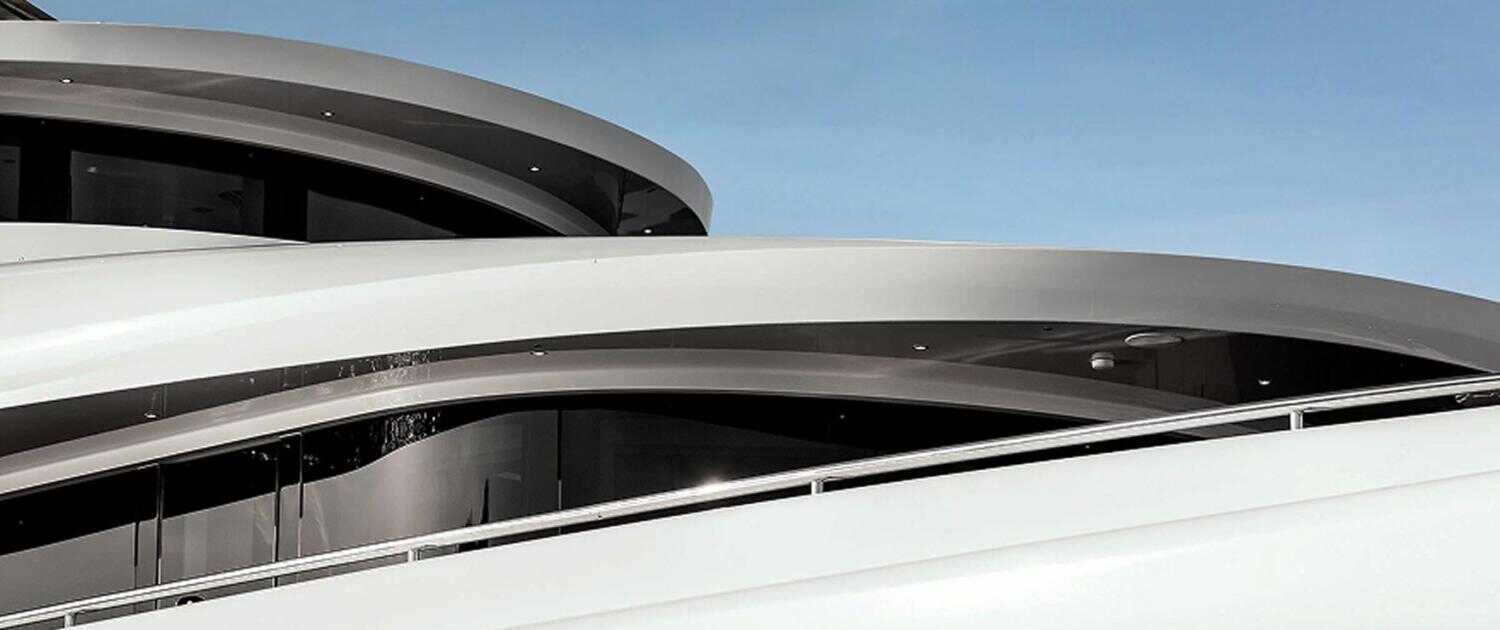
Steel & Aluminium Yachts
 37Yachts For Sale
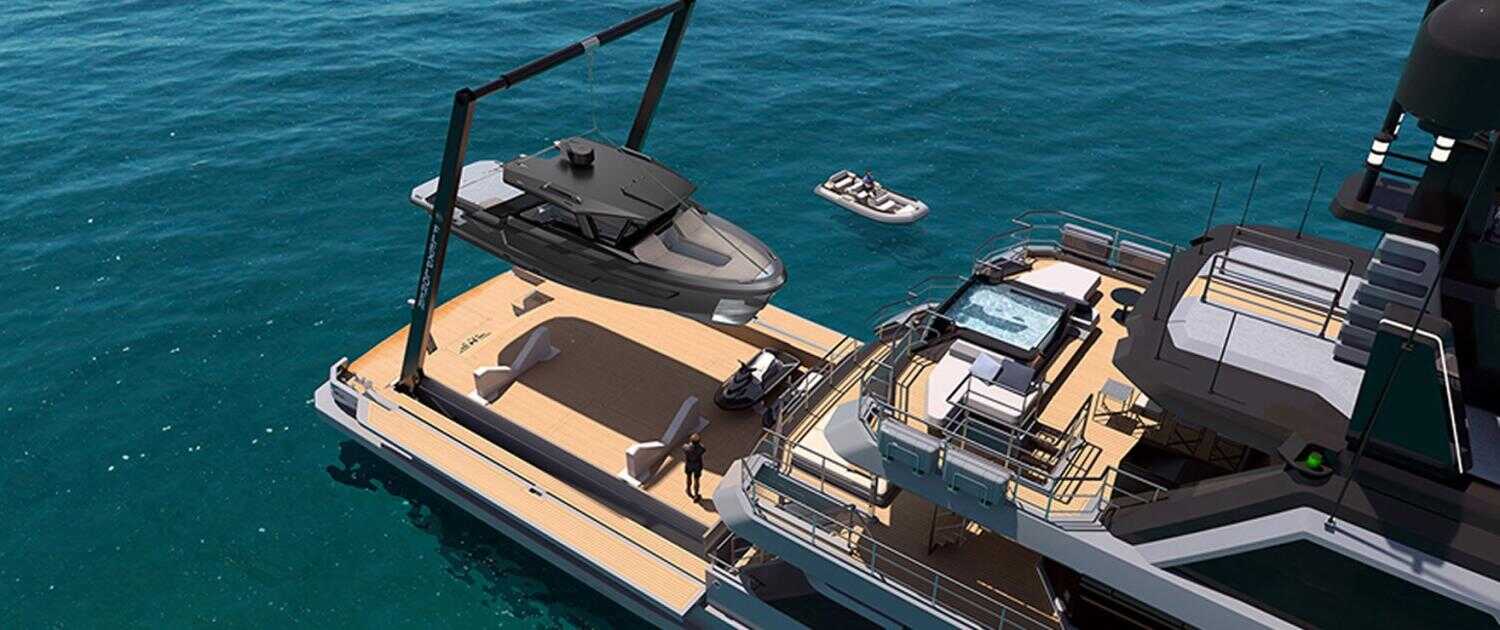
Expedition & Trawler Yachts
 150Yachts For Sale
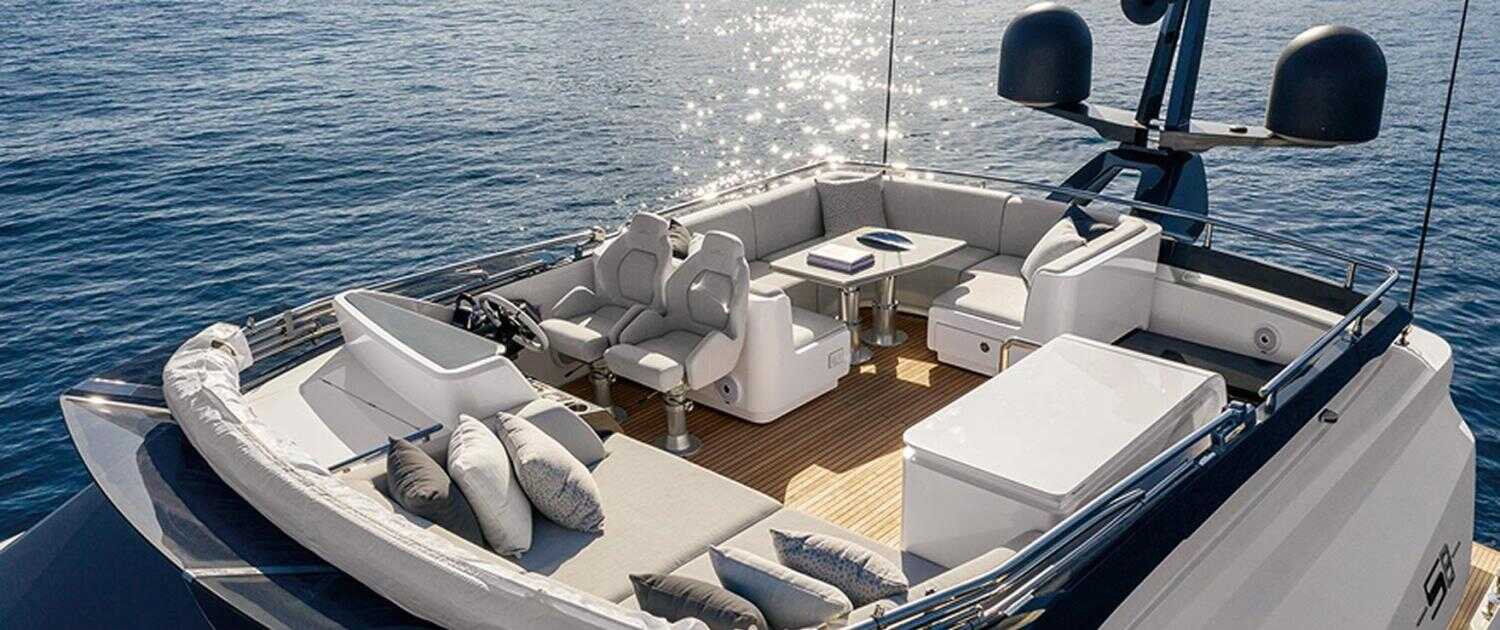
Flybridge Yachts
 13Yachts For Sale
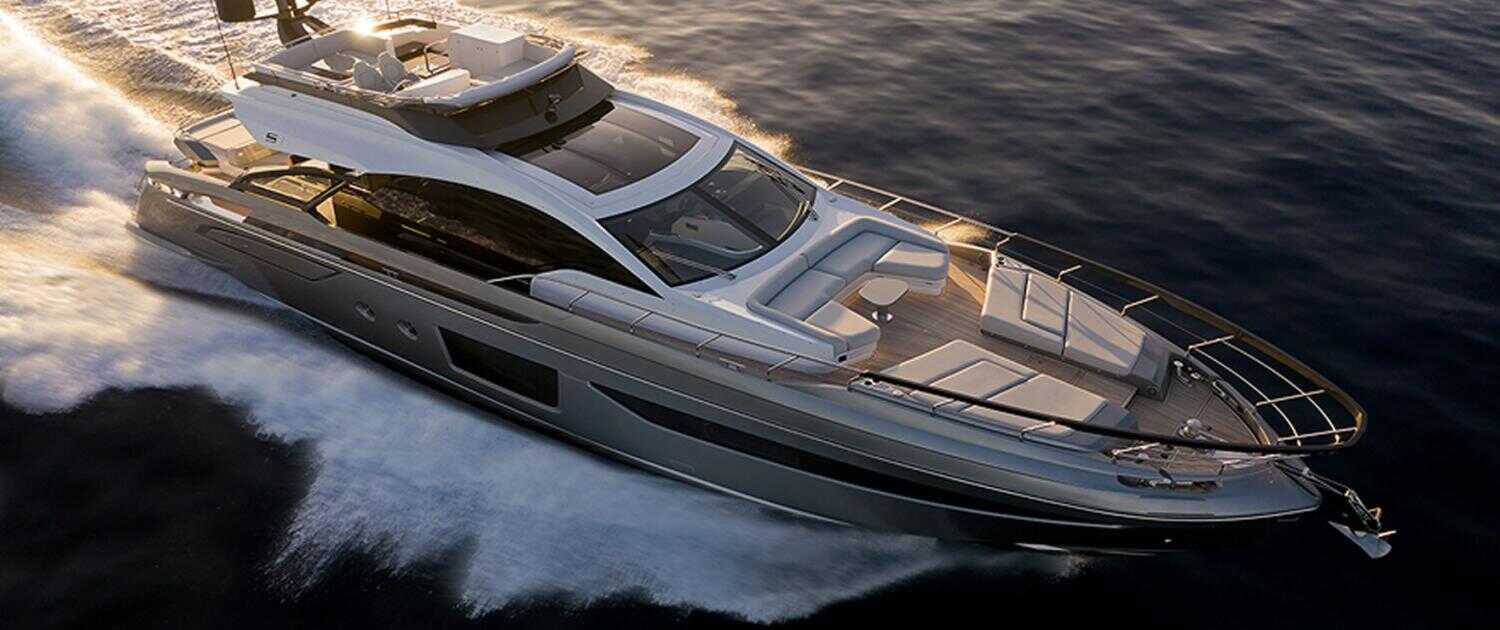
Sport Yachts
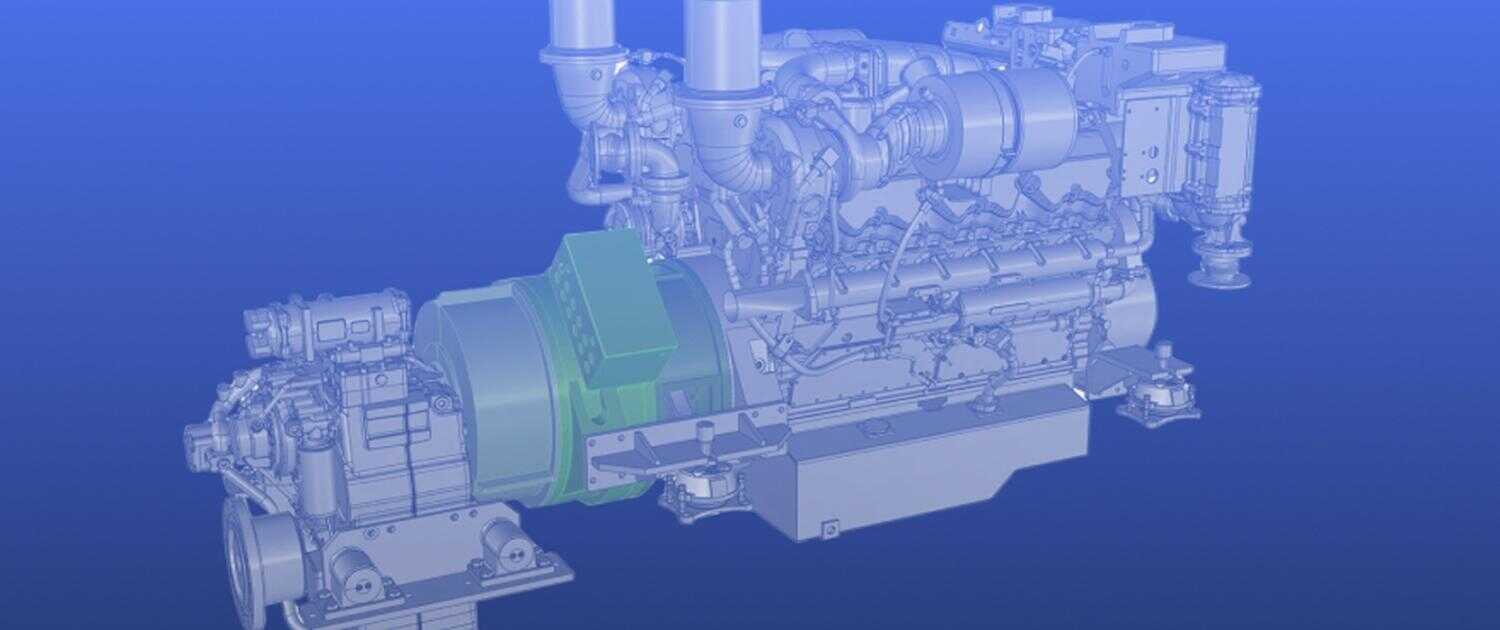 9Yachts For Sale
Hybrid Yachts
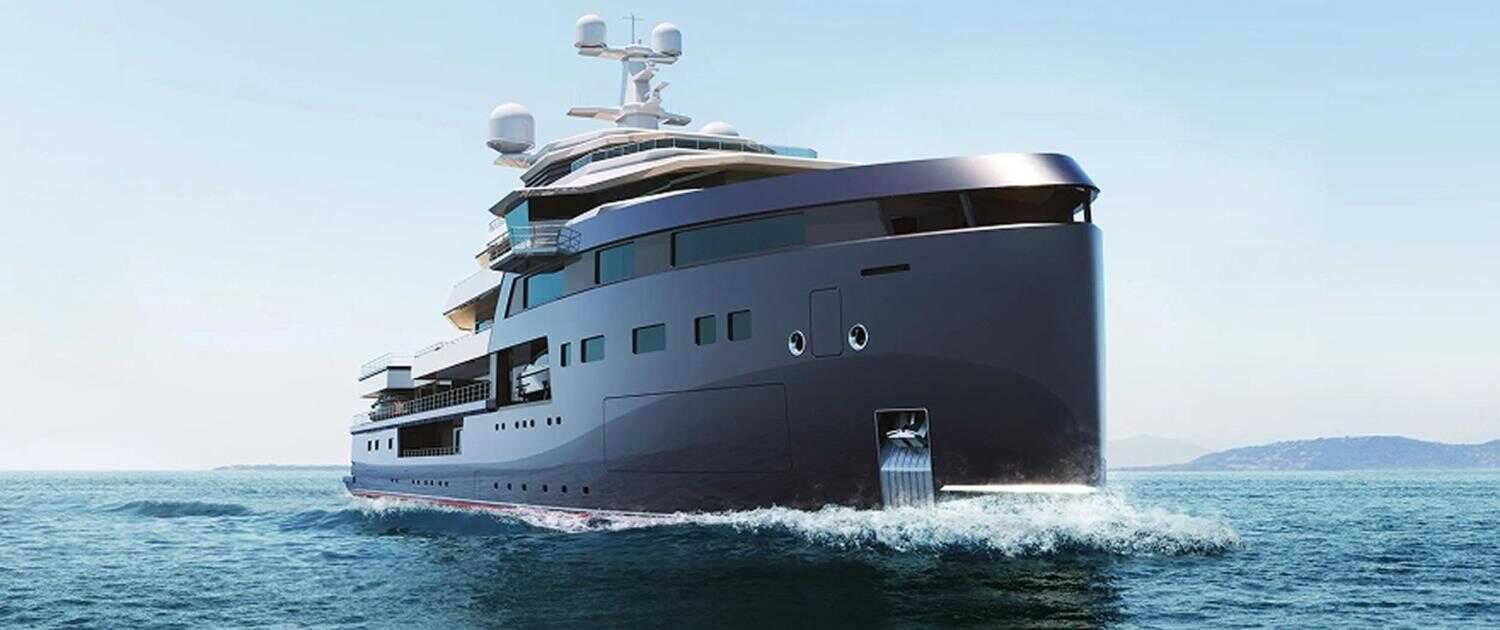 84Yachts For Sale
Displacement Yachts
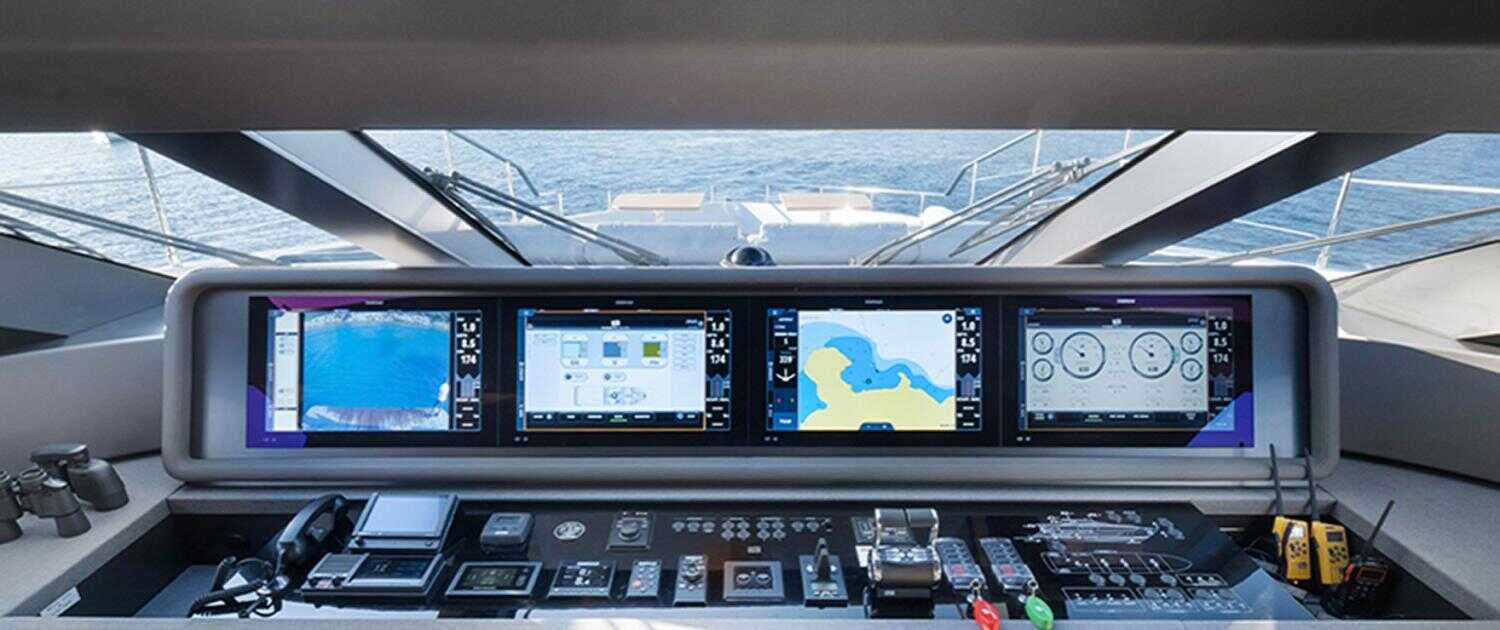 20Yachts For Sale
Raised Pilot House (RPH) Yachts
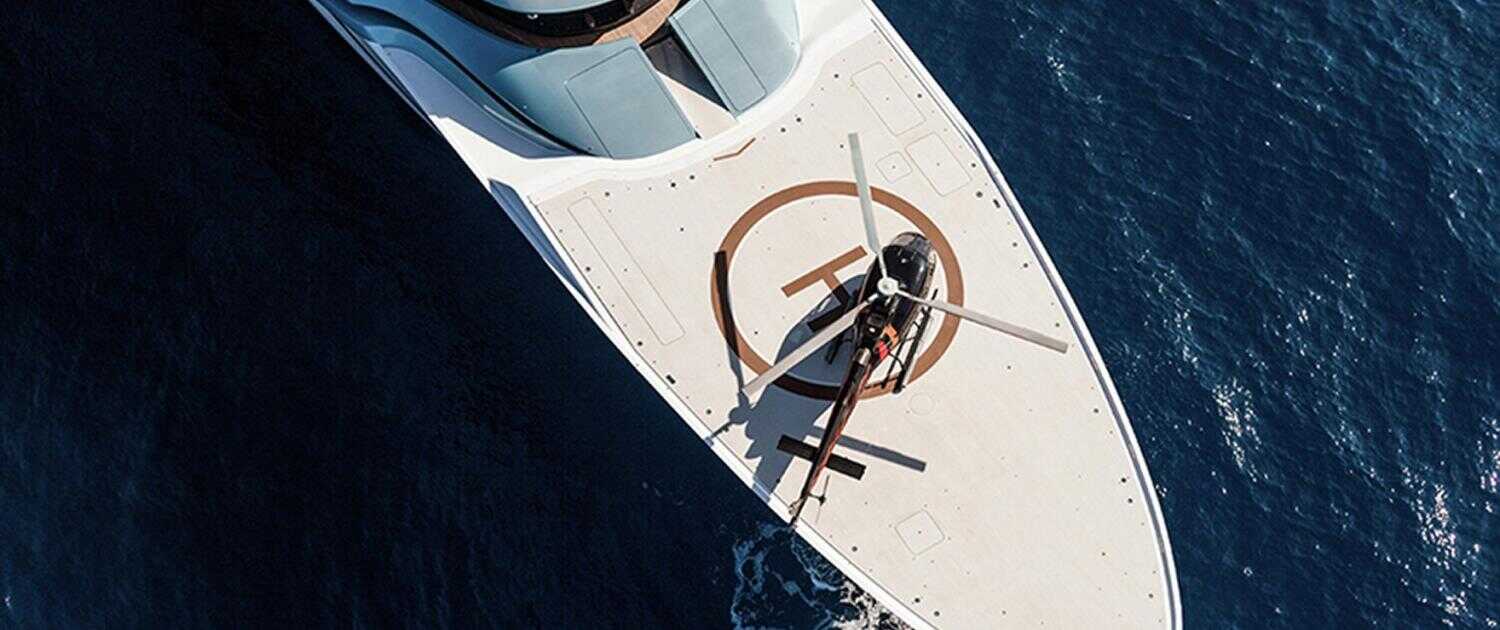 14Yachts For Sale
Yachts with Helipads
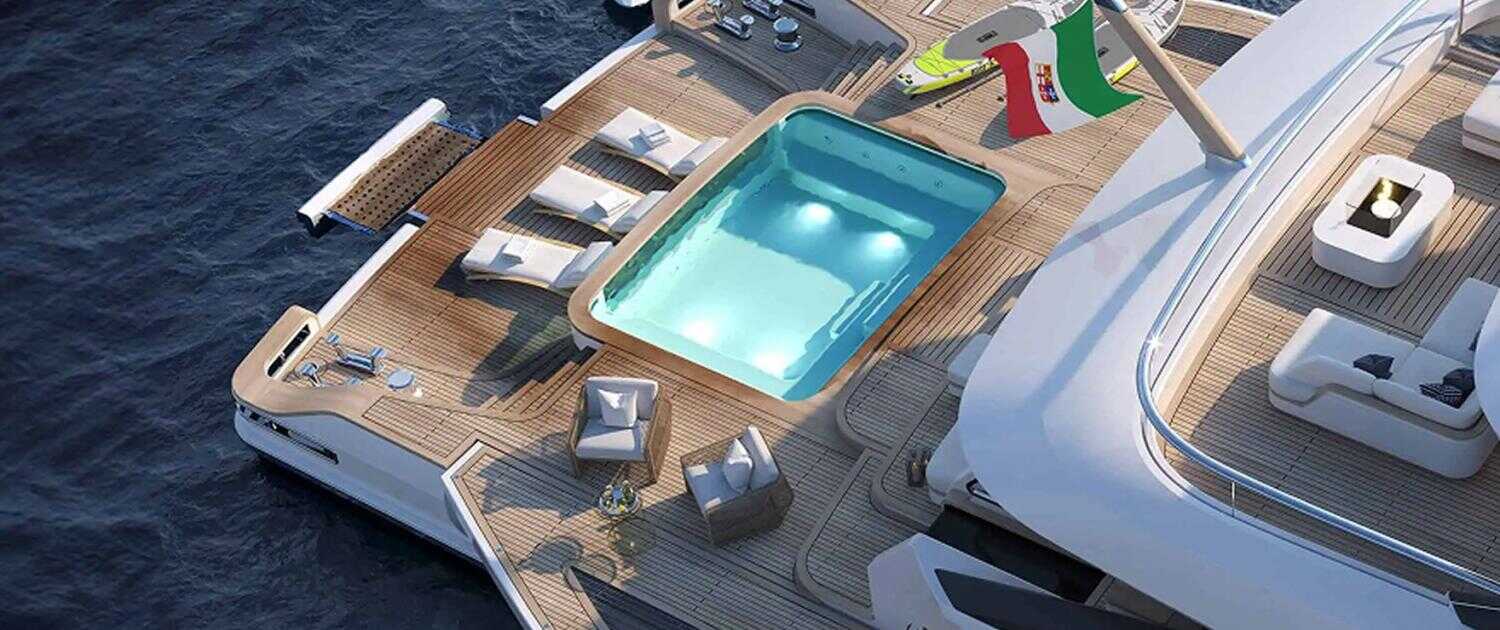 90Yachts For Sale
Yachts with Swimming Pools / Jacuzzis
 125Yachts For Sale
GRP. Composite Yachts
 74Yachts For Sale
Planing Yachts
 40Yachts For Sale
Semi-Displacement Yachts
Yachts by Shipyard
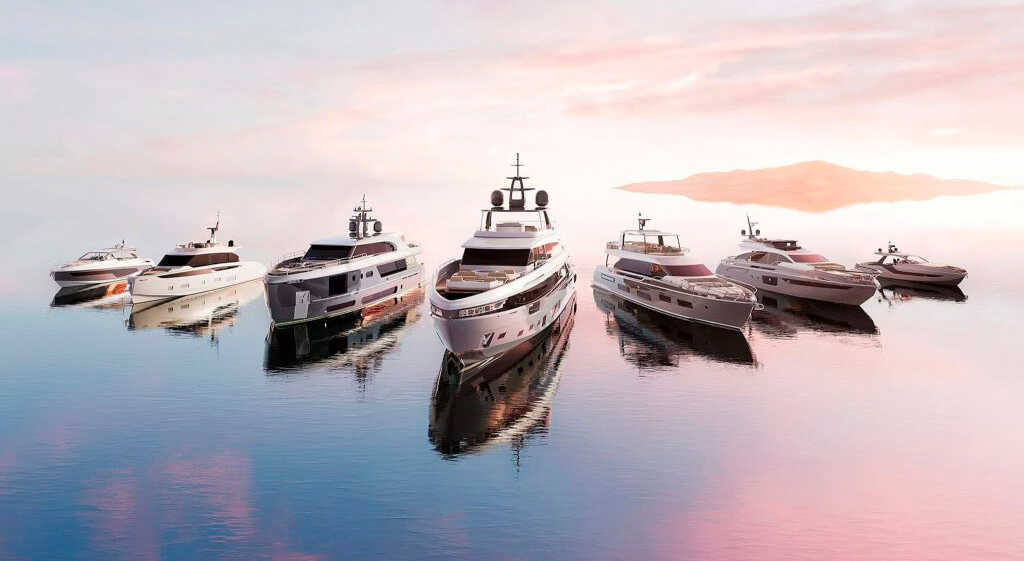 43Yachts For Sale
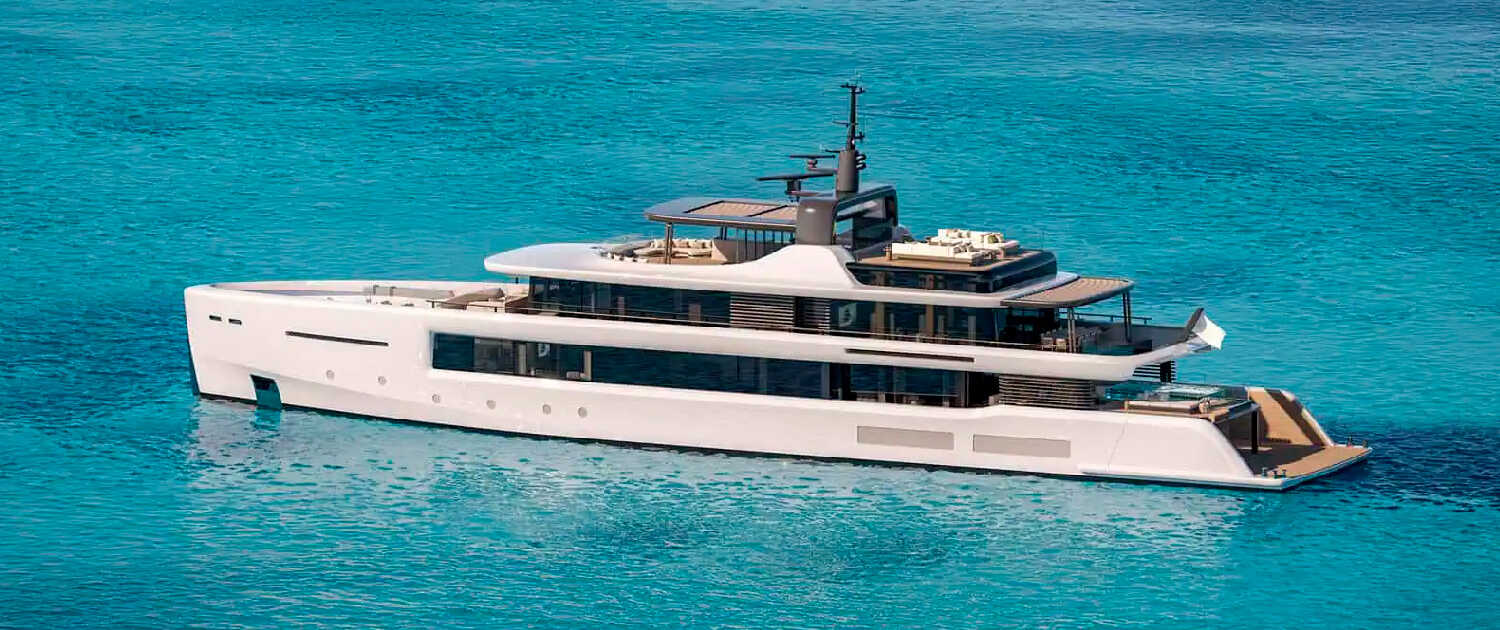
Azimut Yachts

 21Yachts For Sale
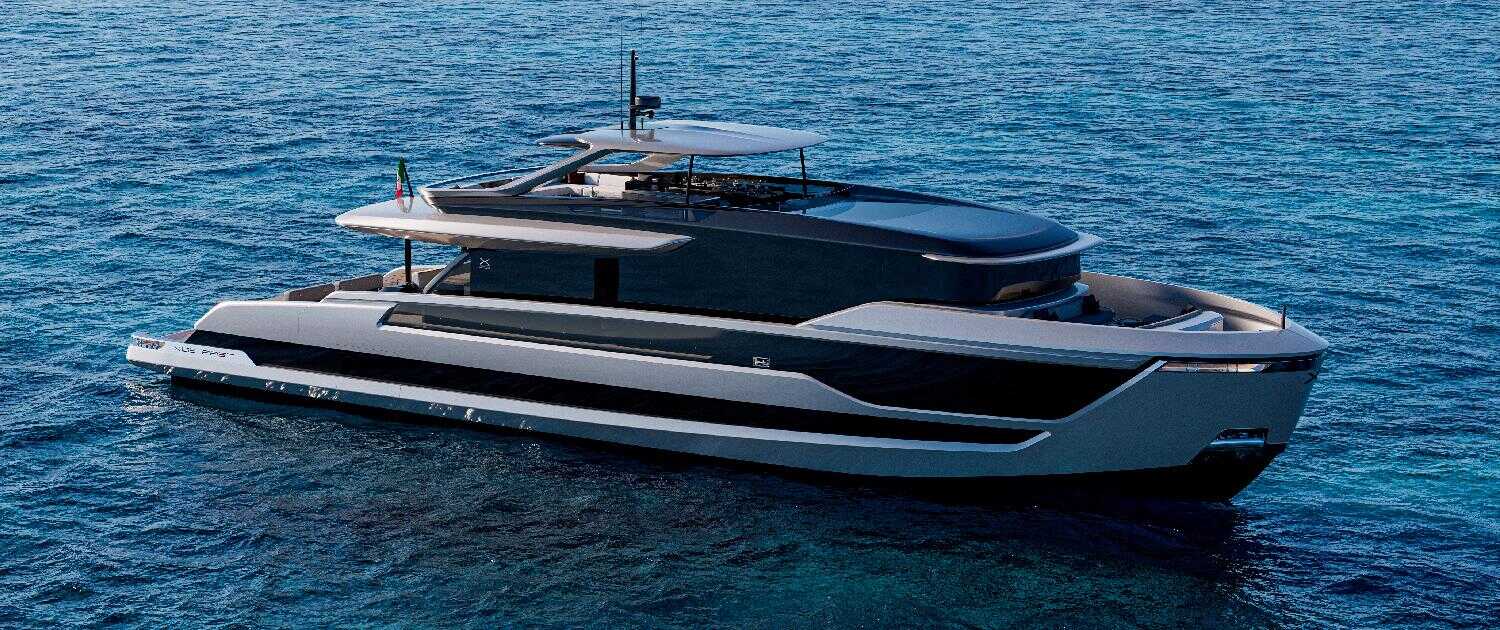
Benetti Yachts

 11Yachts For Sale
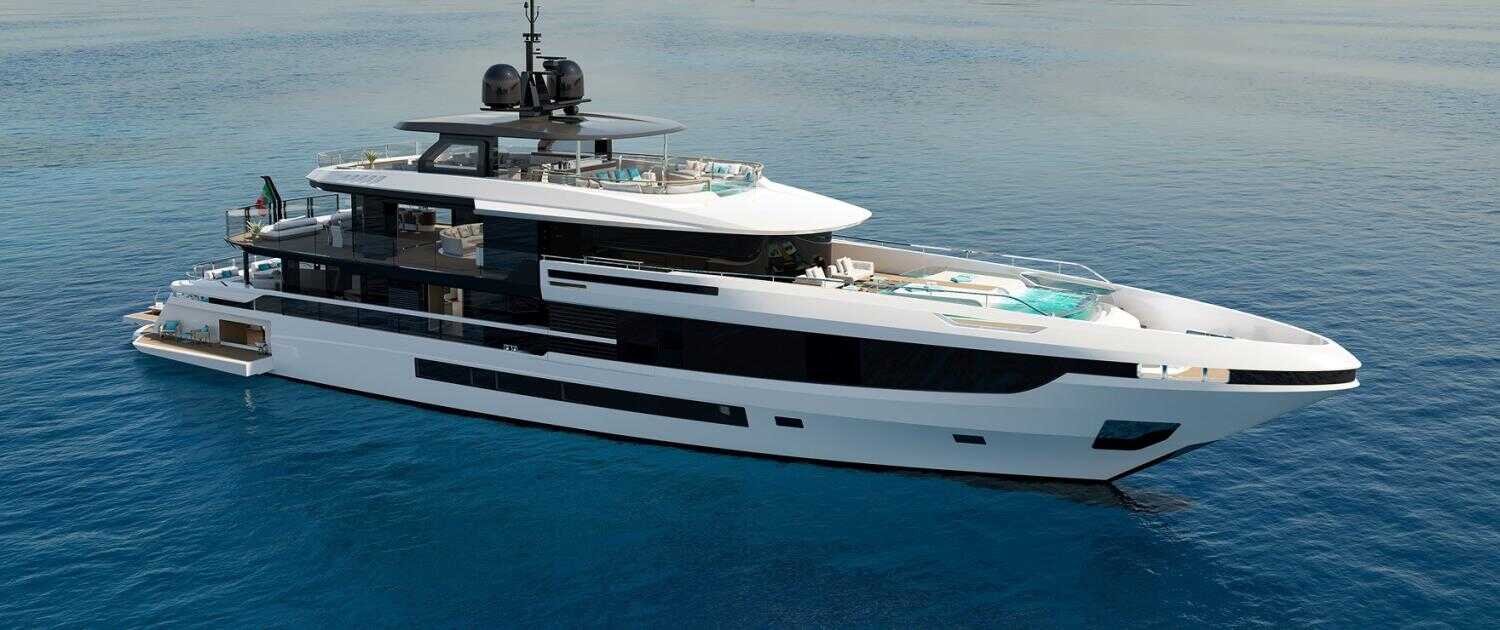
Extra Yachts

 12Yachts For Sale
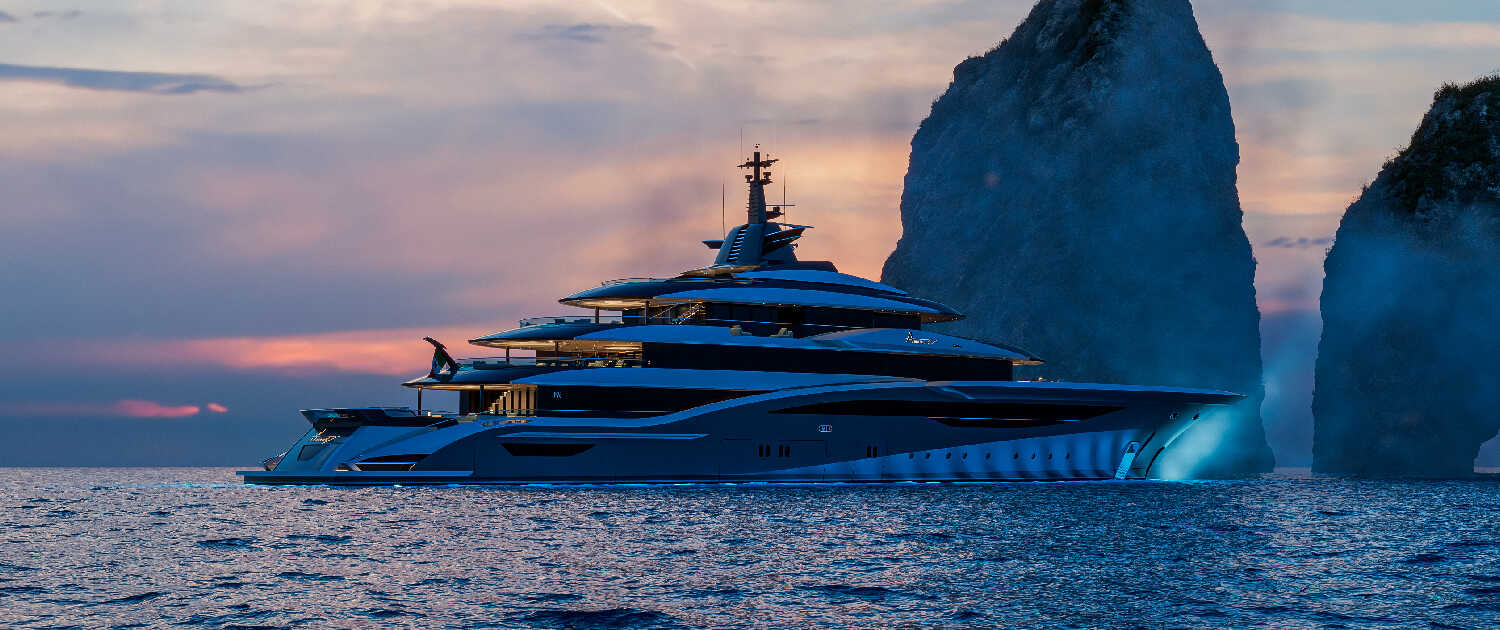
Overmarine Group Mangusta

 21Yachts For Sale
ISA Yachts

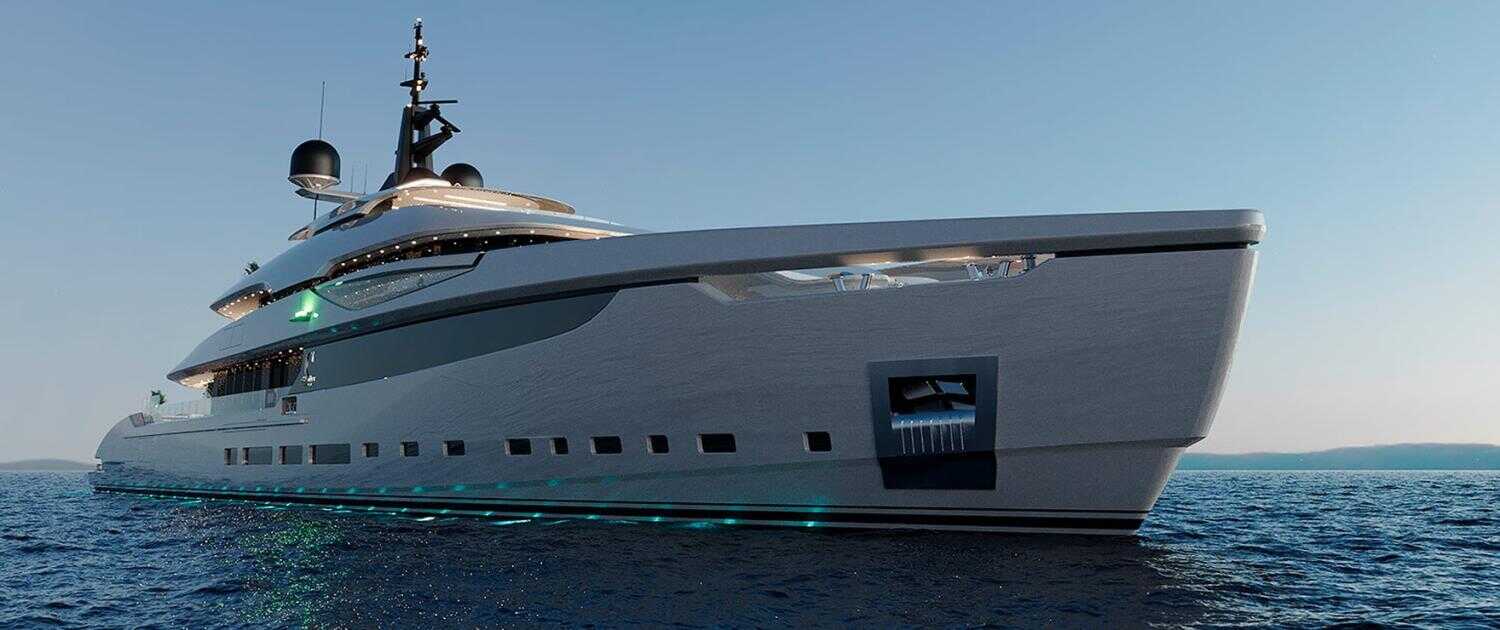 6Yachts For Sale
Columbus Yachts

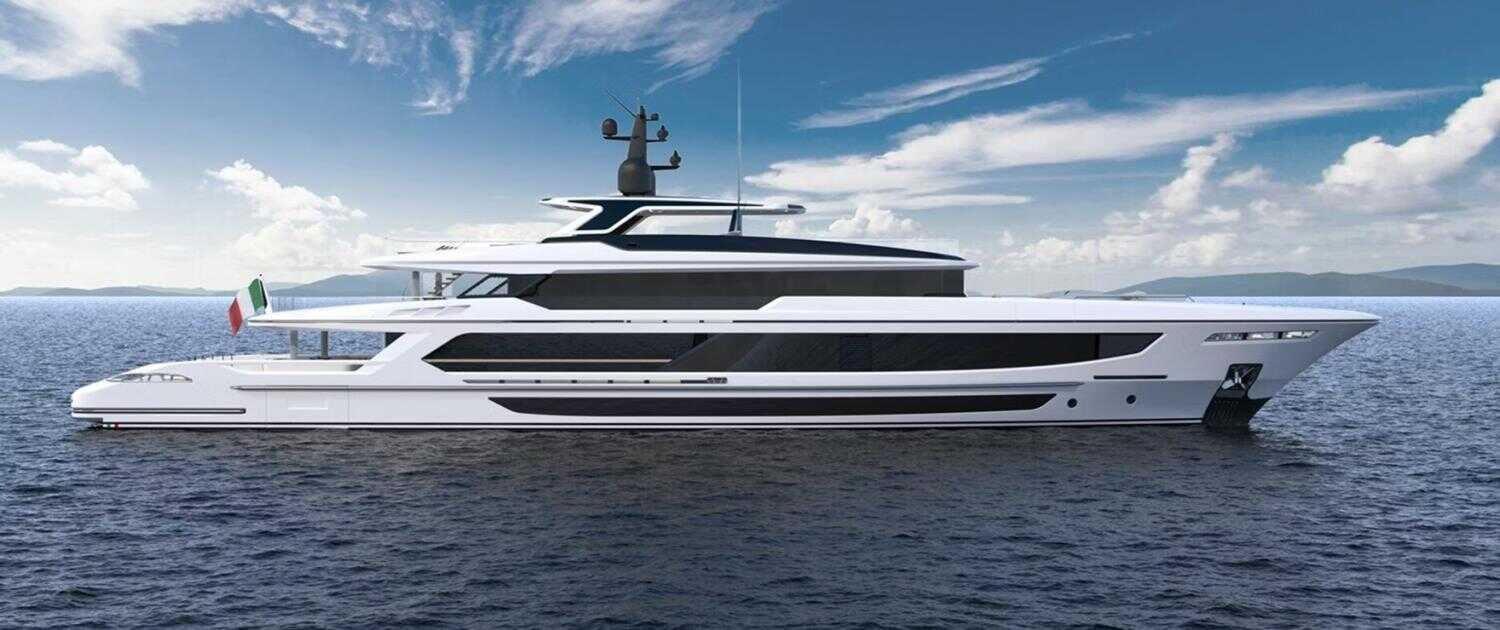 7Yachts For Sale
Baglietto

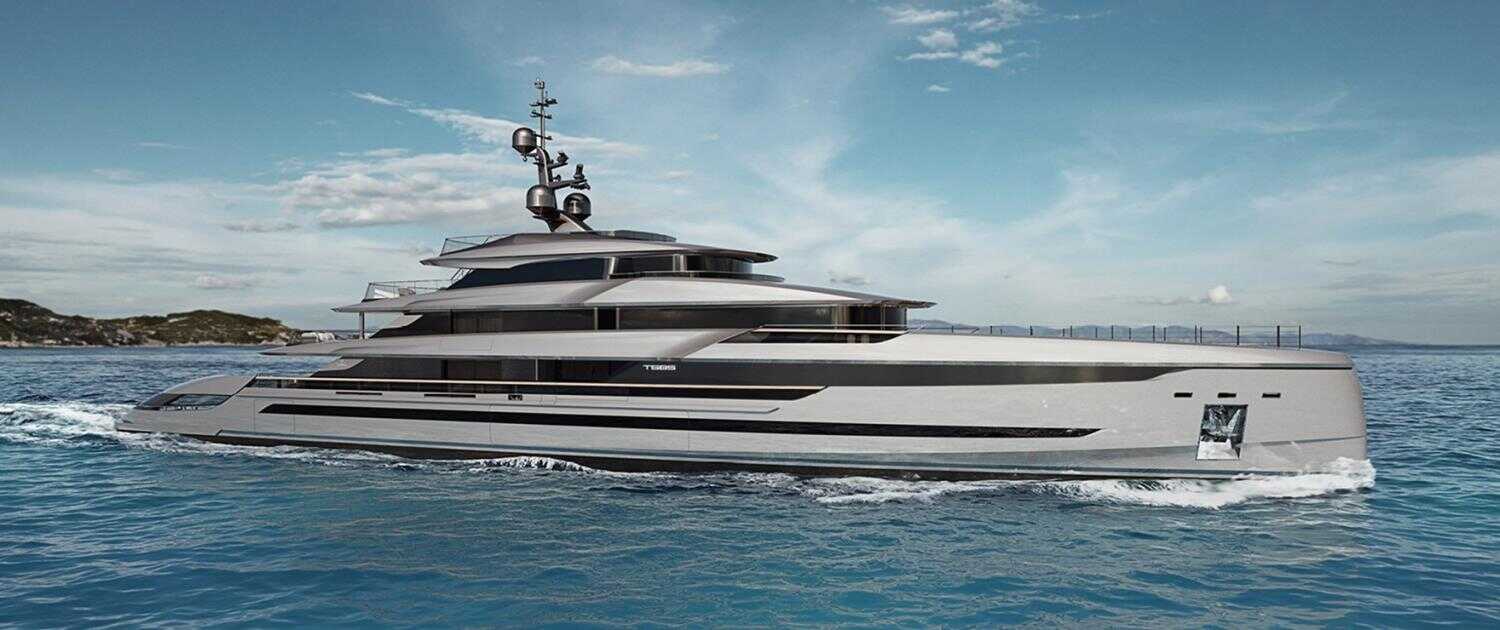 10Yachts For Sale
Tankoa Yachts

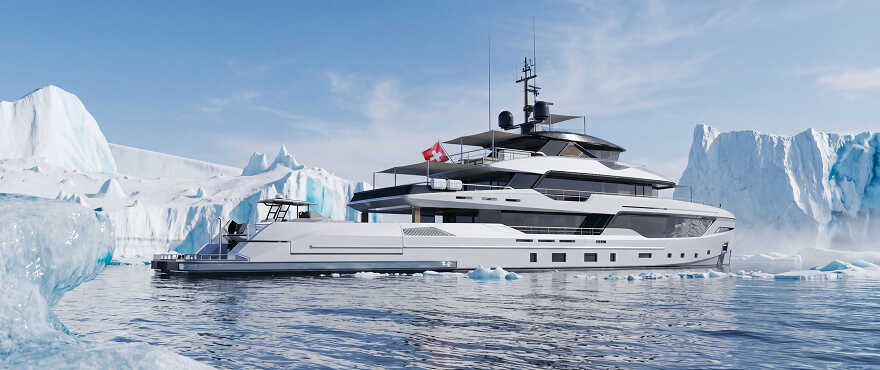 9Yachts For Sale
Bering Yachts
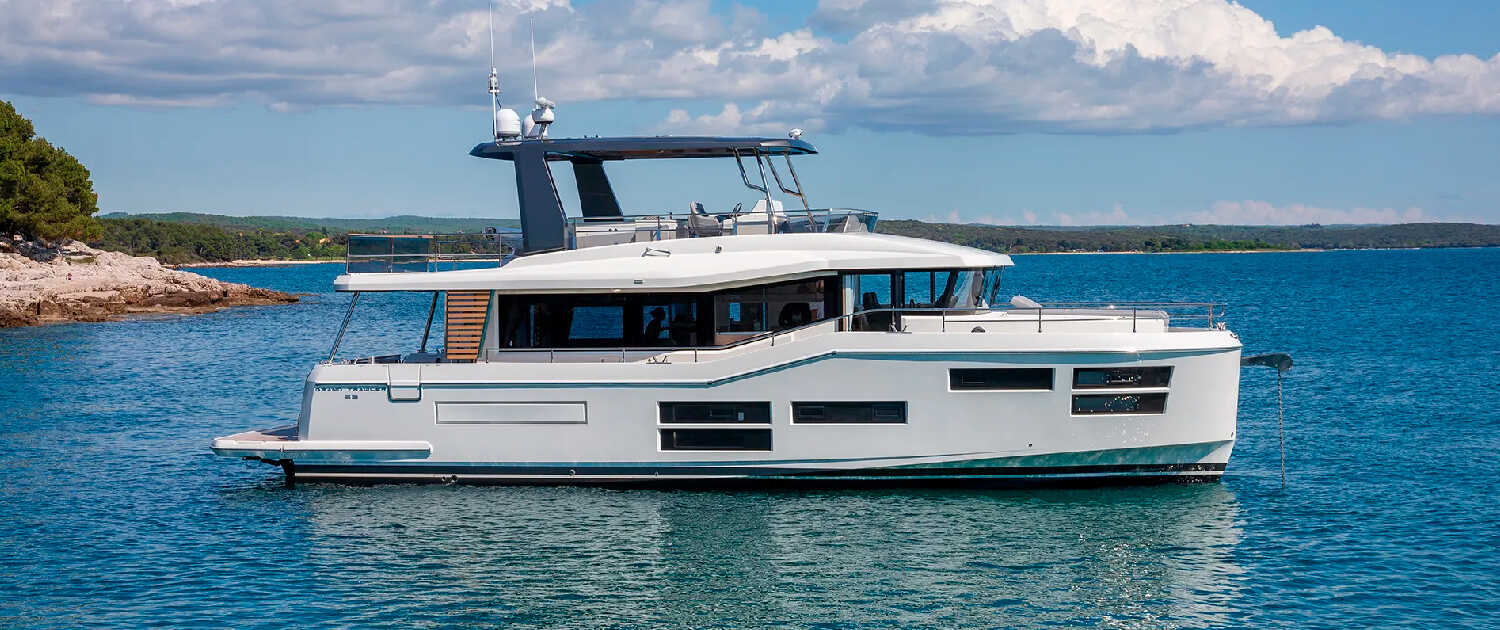 13Yachts For Sale
Beneteau

Yachts by Location
 2Yachts For Sale
Yachts in France
 129Yachts For Sale
Yachts in Italy
 1Yachts For Sale
Yachts in Monaco
 3Yachts For Sale
Yachts in Spain
 11Yachts For Sale
Yachts in Greece
 8Yachts For Sale
Yachts in Montenegro
 20Yachts For Sale
Yachts in Turkey
 189Yachts For Sale
Yachts in Europe
What size of yacht should you choose?
Length helps narrow the search, but the layout and capabilities of the individual yacht matter more than size alone. The cabin counts, equipment, range and crew numbers below are guidelines.
Boats
The distinction between yachts and boats (cruisers) is rather conditional and subjective; we define the threshold at approximately 12 meters. Depending on personal preference, a 10-to-12-meter boat with two cabins could already be called a yacht.
As a general rule, a boat implies a single captain. When operated by the owner and their family, the owner typically serves as the captain, while the guests on board fulfill the roles of the 'crew.'
Boats are primarily used for day trips and are expected to return to port at the end of the day. Of course, this does not rule out the possibility of staying overnight on board if cabins are available.
Boats & TendersMotor yachts up to 25 metres
A first yacht for family use is often chosen in the 15–25 metre range. These yachts typically have two to four guest cabins and offer a practical setting for coastal cruising, weekends away and time with family and friends.
Crew requirements depend on the yacht’s design, operating conditions, flag requirements, the owner’s experience and the service expected on board. In practice, a crew is often needed for day-to-day upkeep as well. Compare cruising range at the same speed, for example 10 knots, using the specifications of each model. Explorer yachts in this size range can offer substantially greater range than performance yachts.
Yachts under 25 mMotor yachts from 25 to 35 metres
This size allows longer stays on board and a full level of service for guests. Layouts commonly include four or five guest cabins; some models place the owner’s suite on the main deck. A crew of four to seven, including the captain, can serve as an initial guide. The exact complement must be established for the yacht and its intended use.
These yachts suit extended cruising, for example around the Mediterranean. In the 30–35 metre range, a garage for a tender and water toys is often part of the layout. Provision for a Jacuzzi in an exterior area depends on the model and specification.
Yachts 25–30 mMotor yachts from 35 to 50 metres
This superyacht segment includes layouts with five or six guest cabins, a Jacuzzi, a small gym or a spa area. A professionally equipped galley and a garage for a tender and water toys support service and leisure on board. The equipment on each yacht should be assessed individually.
The crew may comprise seven to eleven people, depending on the yacht and her operating programme. Some yachts around 50 metres offer transatlantic range. Suitability for an ocean crossing must be assessed against the specifications of the individual yacht and the intended route.
Yachts 30–40 m Yachts 40–50 mMotor yachts over 50 metres
Larger superyachts, including megayachts and gigayachts, allow greater scope for private owner’s accommodation, a beach club, spa, gym, cinema, swimming pool or helipad. An additional ten metres can make a substantial difference to the layout, although available space is better assessed alongside gross tonnage (GT), a measure related to the yacht’s internal volume.
Some projects provide private owner’s accommodation on the upper deck, generous outdoor guest areas and a wider selection of tenders and water toys. The crew may number twelve or more; the exact complement depends on the individual yacht and the level of service required.
Yachts over 50 mHow many guest cabins do you need?
Choose the cabin count around the way you expect to use the yacht. Who will regularly stay on board: family, friends, children, nannies or accompanying staff? How long will each trip last? Do you need privacy, space for parties or accommodation for other family members and their children?
Sometimes a larger yacht is chosen for a spacious main saloon, a practical galley and sufficient storage. Additional cabins then form part of the overall layout. Guest cabins and crew accommodation should be considered separately.
Boats
Motor boats offer a very wide range of functionality. The smallest ones, with a hull length of 5 to 6 meters, are most often designed exclusively for day trips in coastal areas. In contrast, motor boats around 12 meters in length, equipped with cabin(s), head(s) and galley, are fully capable of extended cruises with overnight stays on board.
Wakeboard and wakesurf boats are specifically engineered for active recreation and water sports. They generate a uniquely shaped wave behind the boat thanks to water ballast systems, while still remaining perfectly suitable for regular day-cruising.
Tenders and chase boats are primarily used for guest transportation and as support vessels for the main motor yacht.
Boats & TendersMotor yachts from 2 to 4 cabins
Motor yachts ranging from 12 to 15 meters are the starting point for many yachting enthusiasts. Designed as family yachts, they require only a single captain. They are ideally suited for weekend getaways and, occasionally, longer cruises.
In the 15-to-25-meter range, layouts with 3 to 4 cabins are common. Most guest cabins are designed for two people, featuring either a double bed or twin beds. A yacht of this size offers enhanced onboard comfort and is built to accommodate more guests, extended voyages and 2 to 3 crew members for safety and on-board service.
Yachts from 2 to 4 cabinsMotor yachts with five guest cabins
Five-cabin layouts are available on yachts from around 25–30 metres, usually accommodating up to ten guests. Some models in this size range may operate with three to five crew. Staffing depends on the yacht and the service expected; the number of guest cabins alone is not enough to determine the crew requirement.
Five guest cabins can also be the right choice on a yacht of 45–50 metres. If that is sufficient for the owner’s family and guests, the remaining space can be allocated to a spa, gym, media room or second saloon on the upper deck.
Yachts with 5 cabinsMotor yachts with six or more guest cabins
This layout suits a larger family, a regular group of guests or charter use. It is found on yachts of 50–60 metres and above, but is not limited to that size range. Alongside the cabins, assess the second saloon, office, gym, spa, cinema and galley facilities.
For long passages and extended stays on board, service areas, provision storage and crew accommodation are particularly important. These spaces support the yacht’s autonomy and the standard of service for guests.
Yachts with 6+ cabinsWhy choose Aberton Yachts?
We have worked with yachts for more than 20 years. New specialists regularly join our team, and our collective knowledge and experience continue to grow each year. We value openness and objectivity in our relationships with clients and within the team. Our guiding principle is simple: financial success matters, but relationships come first.
Yacht selection and purchase support
Our selection includes yachts from Azimut, Benetti, Extra, Mangusta, ISA, Columbus, Baglietto, Cantiere delle Marche, Tankoa, Sanlorenzo, Bering and other international shipyards.
Aberton Yachts supports yacht purchases and sales, from the search and viewings through technical surveys, sea trials, checks on the yacht’s history and legal completion. After delivery, we can assist with flag registration, insurance, crew recruitment and yacht management.
Honest advice
Many of our clients and friends have stayed with Aberton Yachts for years. We value an easy working relationship and aim to be attentive, responsive and understanding of a client’s decisions and goals. We are also prepared to challenge an assumption, explain a concern or recommend a different course when a yacht or the proposed purchase terms do not serve the client’s interests.
We can recommend walking away from a purchase if we believe it is not in the client’s interests. An honest, objective expert opinion is one of the most useful things we can offer as a partner.
Technical Supervision & Survey
For the Aberton Yachts team, the transaction itself can be the most straightforward part of buying or building a yacht. Every motor yacht whose sale or construction we support is assessed by several specialists, including experienced technical experts who remain willing to learn and understand new solutions.
A new build requires critical assessment of the project and continuous oversight of the shipyard’s work. The purpose is to identify shortcomings early and make corrections in time. Professional oversight accompanies every stage of a yacht sale or construction project.
Support at every stage
We stay alongside the client throughout the process, from the first meeting and discussion of ideas through exterior design, layout and intended use to delivery, flag registration and crew recruitment.
For each new task, we find a solution within the team or bring in experienced specialists when their involvement is necessary. Clients can rely on our professional support with buying, building and operating their yacht.
Planning to buy a motor yacht? Discuss your intended use, budget and timescale with an Aberton Yachts broker to identify suitable options.
Read the news
06 September 2025
Aberton stands as Europe’s leading Azimut Yachts dealer, recognized for outstanding sales performance
Read moreYacht Purchase FAQ
Answers to key questions about choosing a motor yacht, assessing layouts, managing the purchase process, technical due diligence and the role of a broker.
Which types of yacht does Aberton Yachts offer for sale
Aberton Yachts specialises in the sale and construction of motor yachts. Our portfolio includes planing, performance, displacement and semi-displacement yachts, as well as trawler and explorer yachts with extended range and autonomy.
We do not handle sailing yachts or wooden-hulled vessels. This is a deliberate limitation: we only accept assignments in areas where we can rely on our own technical and brokerage expertise. Each category is managed by specialists with more than ten years of experience.
How many cabins are appropriate for family use, guests or charter
This is one of the first questions we discuss with a prospective owner. The right answer depends on more than the preferred number of cabins. We need to understand the entire intended use: the family group, the number of regular guests, the length of planned cruises, any charter plans and the expected level of service. The broker then tests that brief against the practical demands of operating the yacht and recommends an appropriate configuration.
For family use without a permanent crew on board, two or three guest cabins are usually sufficient on a yacht of up to 24 metres, with four as a practical maximum. If the owner expects to entertain guests regularly or host events on board, crew accommodation and the required service level should be planned from the outset.
With experience, an owner can learn to handle a yacht of this size, but the captain has responsibilities far beyond taking the helm. The captain is responsible for the safety of the yacht and everyone on board, passage planning, the operational readiness of the equipment and oversight of technical maintenance. Other crew members manage provisioning, guest service, housekeeping and the care of interior and exterior areas. This work is carried out every day, including when the yacht is in the marina and the owner is not on board.
For yachts up to 15–17 metres, a captain alone may be sufficient. A yacht of around 24 metres will often require a captain and a further two or three crew members. On a motor yacht of 30 metres or more with five or six cabins, the crew may comprise four or five people even when the yacht is used privately by a small family group. This level of staffing is required for safety, proper service and maintaining the yacht to the required technical and presentation standard.
These figures are guidelines. The precise crew complement depends on the yacht's design, cruising area, flag, insurance requirements and intended use. Commercial charter also introduces specific registration and crew-accommodation requirements. Aberton Yachts helps to define the right crew complement and recruit suitable professionals for the yacht's operating region and programme.
What to consider when choosing a layout and cabin configuration
A motor yacht of up to 15–17 metres will usually have two or three guest cabins. When assessing the layout, look beyond the cabin count and the apparent size of the spaces. The details most easily missed during a first viewing include:
- wardrobes and other storage spaces — there is almost always less storage than the owner expects;
- the number and position of bathrooms: whether they are shared between cabins or en suite, and whether the showers are genuinely comfortable to use;
- fresh-water tank capacity, whether a watermaker is fitted and its output — these factors determine the yacht's real autonomy away from a marina;
- the position of the galley — for efficient service on a smaller yacht, it should preferably not be located on the lower deck;
- shade over exterior areas — without an awning or hardtop, part of the deck may be unusable during the hottest hours of the day;
- the arrangement of exterior areas: whether there is enough space for every guest to relax and whether the main circulation routes across the deck conflict;
- access to equipment for servicing and repairs — an impressive finish should not make routine technical work unnecessarily difficult.
These points may look secondary on a general arrangement plan, but in daily use they determine whether the yacht works well for the owner, guests and crew.
On yachts of 24 metres and above, the demands on the layout grow along with the available space. Guest and crew circulation should be separated, as should guest and service areas. Crew accommodation, stores, galley operations and laundry facilities all require careful planning. The garage must be assessed separately: which tenders and water toys it can accommodate, and how easily they can be launched and recovered. These are layout questions alone, before the yacht's technical systems are considered.
Aberton Yachts sells motor yachts and also works with shipyards on their design. We therefore assess a layout by how it will function in real operation and maintenance, rather than by its renderings or overall area.
How the yacht purchase process works
We begin by defining the type of yacht the client needs, the available budget and the target date for taking delivery. The purchase of a pre-owned yacht normally follows several stages. Their order and the applicable terms depend on the contract, the jurisdiction and the yacht concerned.
- Define the requirements, budget and preferred delivery date.
- Search on-market and off-market opportunities, analyse the options and prepare a shortlist.
- Inspect the selected yachts and discuss their advantages, limitations and likely future costs.
- Submit an offer to the seller and negotiate the price, timetable, place of completion and payment terms.
- Sign the sale and purchase agreement and pay the deposit to the agreed stakeholder.
- Conduct the sea trial and technical survey, after which the buyer proceeds as provided in the contract: accepting the yacht, rejecting it or proposing revised terms.
- Complete legal due diligence on the yacht and the seller and prepare the completion documents.
- Pay the balance, sign the transfer documents and complete physical delivery of the yacht to the buyer.
A technical survey is not a formality. Even a conscientious seller may be unaware of every defect or item of deferred maintenance. Pre-owned yachts in near-perfect condition are rare. A properly conducted survey establishes the yacht's actual condition and, where the contract allows, may give the buyer grounds to reject the yacht or renegotiate the terms and purchase price.
International transactions often use the MYBA Memorandum of Agreement, although the parties may agree a different contract. The signed agreement governs whether the deposit is refundable, the grounds on which the buyer may reject the yacht and the consequences of defects found during due diligence. Aberton Yachts' brokers and appointed lawyers explain these provisions to the client before the deposit is paid.
The purchase process for a new stock yacht includes a quality inspection, acceptance and arrangements for warranty support. A new-build project also requires agreement on the technical brief, specification and shipyard contract, followed by technical supervision from keel laying through delivery. After delivery, the specialists oversee warranty work, which is often scheduled for the winter period. Taking a project from the initial idea and sketches to a completed yacht requires a team of several technical specialists, not a broker working alone.
What happens after an offer is accepted and before delivery
Once the offer has been accepted, the parties record the terms of the transaction in a contract and the buyer pays the deposit within the agreed period. Technical and legal due diligence then proceed in parallel.
The technical work includes the inspection, sea trial and survey, together with checks on the equipment and its service history. The specialists identify defects and potential warranty claims, estimate the cost of the required work and determine which findings can reasonably be raised in this type of transaction. They then recommend the appropriate next steps under the contract.
The legal work covers legal title, the chain of ownership, registration status, encumbrances and the yacht's documentation, as well as preparation for payment and completion. Once the contractual conditions have been met, the buyer pays the balance, the parties sign the transfer documents and the yacht is delivered to the buyer. Registration under the chosen flag, insurance and any other required formalities are then completed.
The role of an Aberton Yachts broker in the transaction
A transaction can be completed without a broker, but many of the most consequential mistakes are made before the legal work begins, when the yacht is selected. A strong legal team can verify the documents, but it may not be equipped to assess the yacht type, layout, technical characteristics or suitability for the owner's intended use.
The client is buying a way of spending time, not merely an asset. Choosing the wrong yacht type or the wrong capabilities can make ownership frustrating, lead to disappointment and, in the worst case, a subsequent sale at significant cost.
An Aberton Yachts broker represents the buyer's interests and coordinates the parties and advisers involved in the transaction. The broker's work includes:
- analysing the market and identifying suitable motor yachts;
- comparing the options in detail, discussing their strengths, limitations and future costs, and narrowing the shortlist to two or three yachts;
- arranging viewings and negotiations with the seller;
- preparing the offer and negotiating the transaction terms;
- coordinating the survey, sea trial and work of relevant specialists;
- supporting the legal work alongside appointed lawyers, including checks on the owner and the yacht's documents;
- organising completion and delivery of the yacht;
- assisting with registration, insurance, crew recruitment and ongoing yacht management.
This is only a general outline. A single transaction may require brokers, lawyers, surveyors, marine engineers, the captain and other technical specialists to work together. The precise scope of support depends on the type and status of the yacht and the structure of the transaction.
Can a yacht be inspected and sea trialled before purchase
Yes. The sale and purchase agreement will normally provide for an inspection and sea trial. They allow the engines, systems and equipment to be tested under different operating conditions. The sea trial forms part of the technical due diligence but does not replace a full survey of the yacht.
In practice, a sea trial often lasts around four hours, but this is not a universal rule. Its duration depends on the yacht and the parties' agreement. The captain, marine engineer, surveyor and other relevant specialists may attend to assess the equipment under different operating conditions.
The sea trial is normally conducted after the parties have documented the buyer's offer, including the price, completion date, payment arrangements, principal inventory provisions and other terms of the transaction. Before the trial, the buyer signs the agreed document and pays the deposit into the broker's client account or to another agreed stakeholder. Sellers rarely agree to a sea trial before the deposit has been paid. The contract determines the precise trial procedure and the parties' rights following its results.

