More Sections
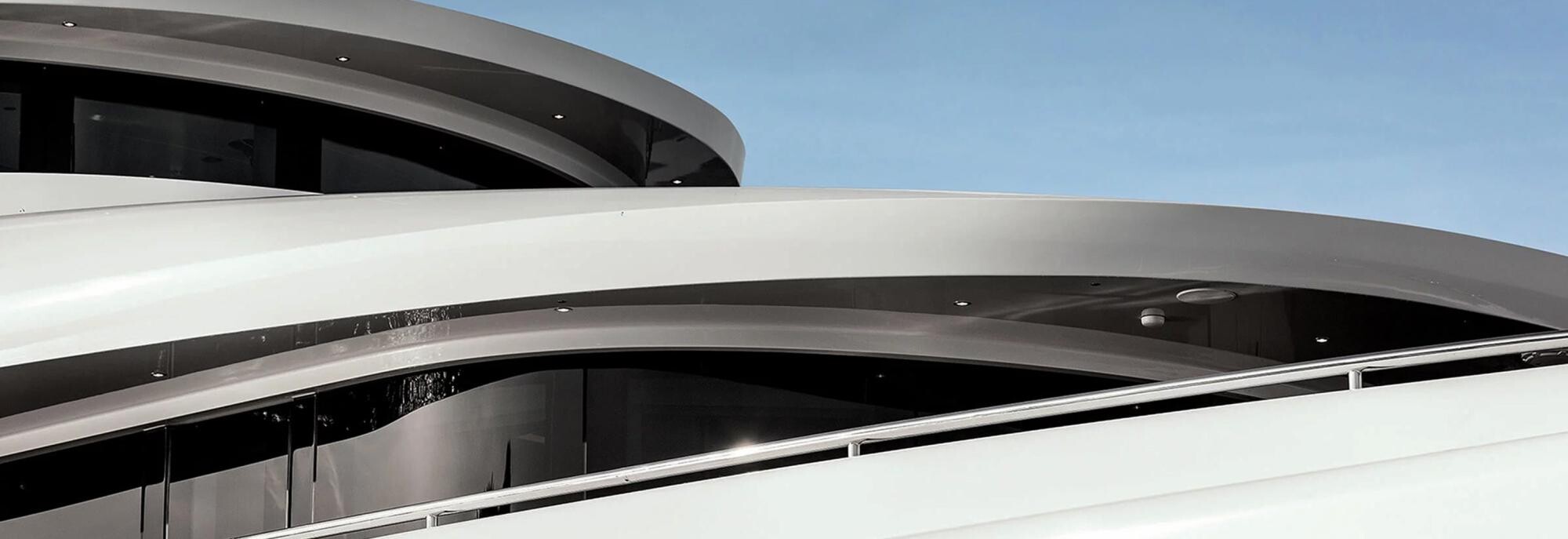
Steel yachts are renowned for their strength, durability and seaworthiness, making them ideal for long-range cruising in all sea conditions and across a wide range of latitudes. Aluminium yachts are significantly lighter, which makes them particularly well suited to high-performance and fast cruising applications, even at relatively large sizes of around 50 metres.
Yachts for Sale
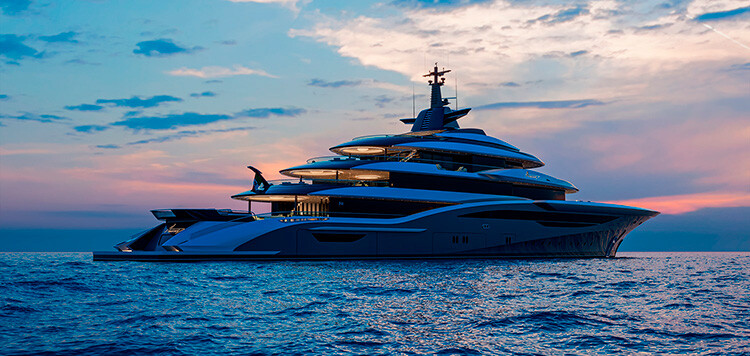 New Yacht Build
ISA Amarcord 86 mt
4Q/2030
Italy
86.00 m
Steel & Alu
0
159 000 000
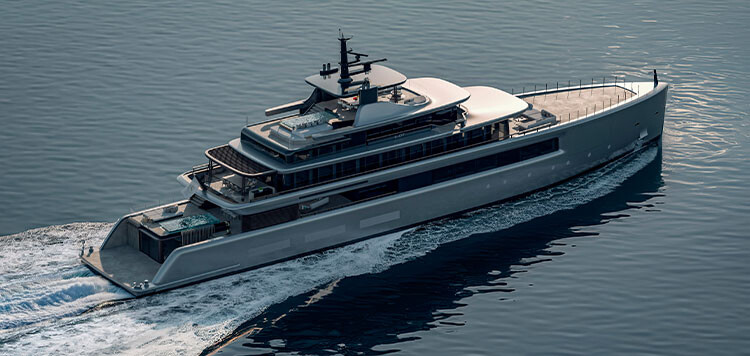 New Yacht Build
Benetti B.LOFT 65M
2Q/2030
Italy
65.00 m
Steel & Alu
0
89 000 000
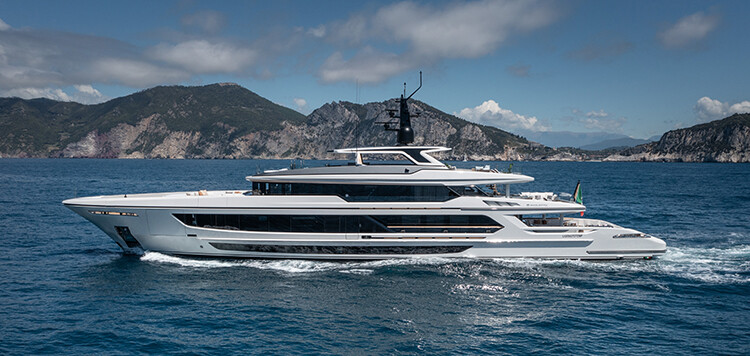 New Yacht Build
Baglietto T52
2Q/2029
Italy
52.30 m
Steel & Alu
0
34 000 000
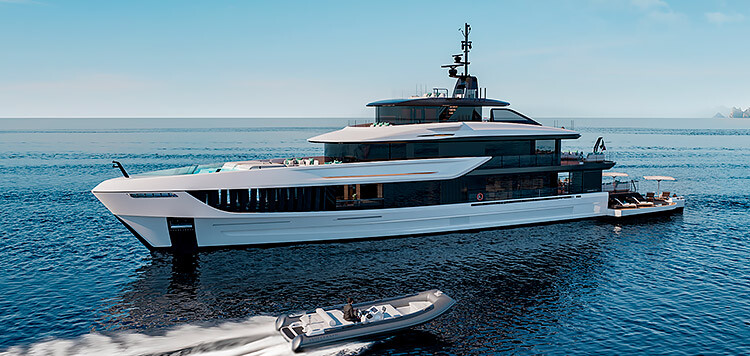 New Yacht Build
Mangusta Oceano 52
2Q/2029
Italy
51.10 m
Steel & Alu
0
37 500 000
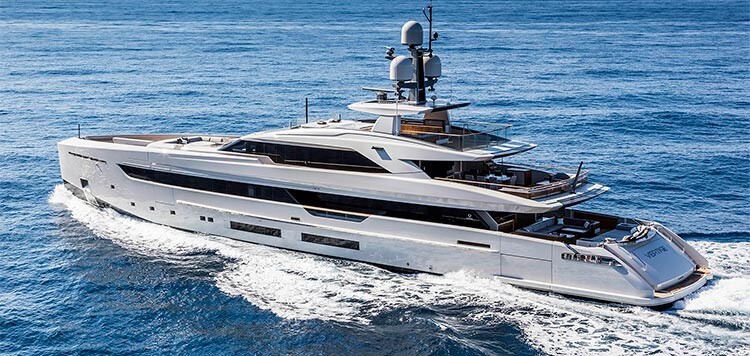 New Yacht
Tankoa S501
2Q/2026
Italy
49.80 m
Alu
0
34 000 000
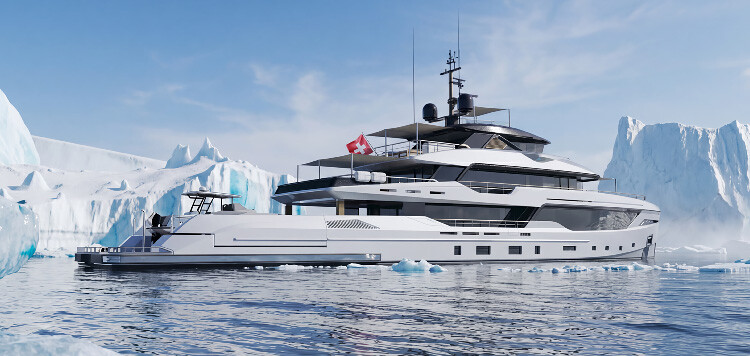 New Yacht Build
Bering B165
2Q/2029
Turkey
49.40 m
Steel & Alu
0
27 000 000
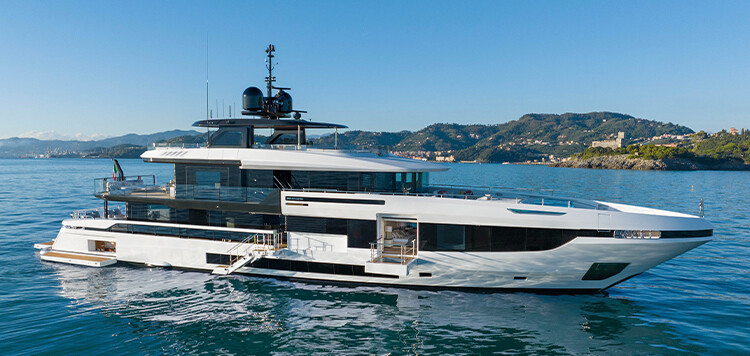 New Yacht Build
Mangusta Oceano 44
1Q/2028
Italy
44.47 m
Steel & Alu
0
29 000 000
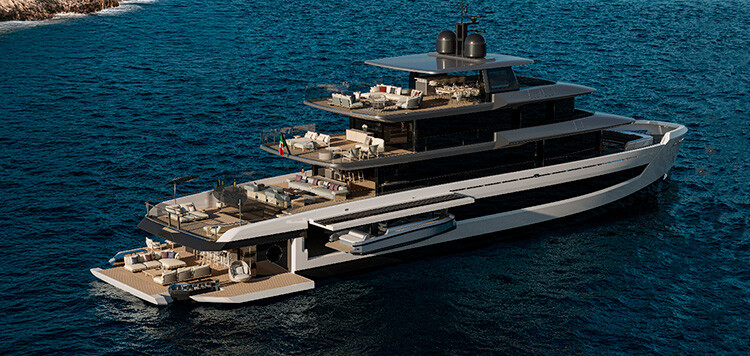 New Yacht Build
Extra X145 Global
4Q/2029
Italy
44.00 m
Steel & Alu
0
32 300 000
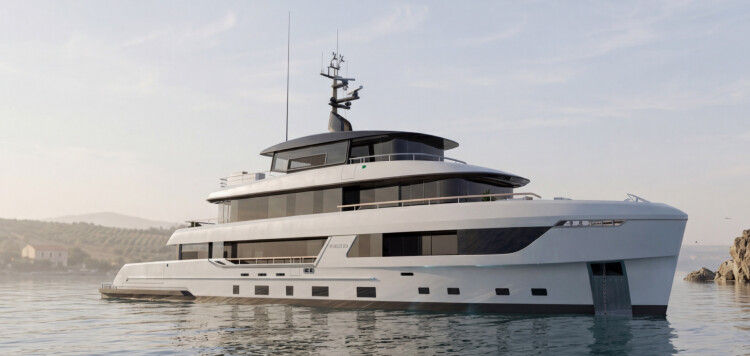 New Yacht Build
Bering B130
2Q/2029
39.76 m
Steel & Alu
0
22 000 000
New Yacht Build
ISA Amarcord 86 mt
4Q/2030
Italy
86.00 m
Steel & Alu
0
159 000 000
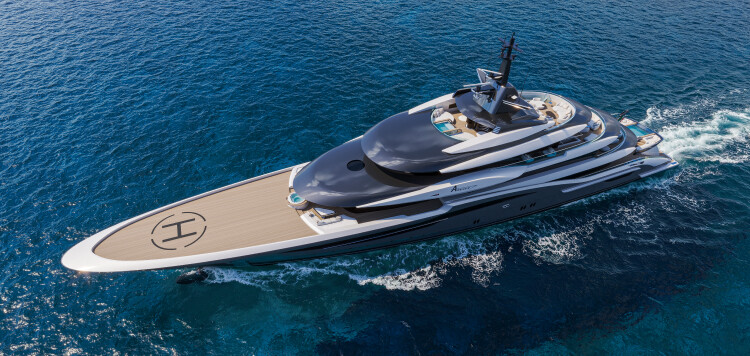 New Yacht Build
Isa Amarcord 82M
4Q/2030
Italy
82.00 m
Steel & Alu
0
110 000 000
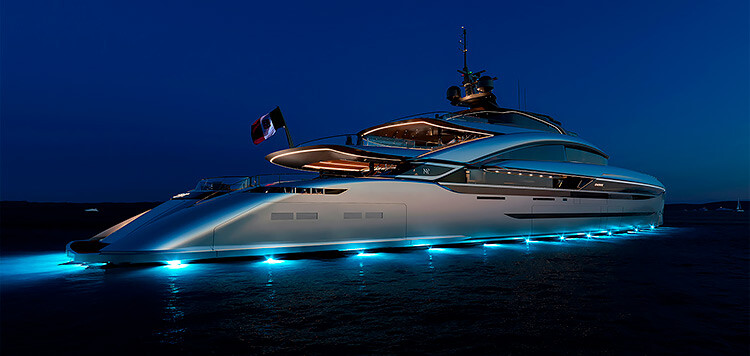 New Yacht Build
ISA Granturismo 80
4Q/2030
Italy
80.00 m
Steel & Alu
0
96 000 000
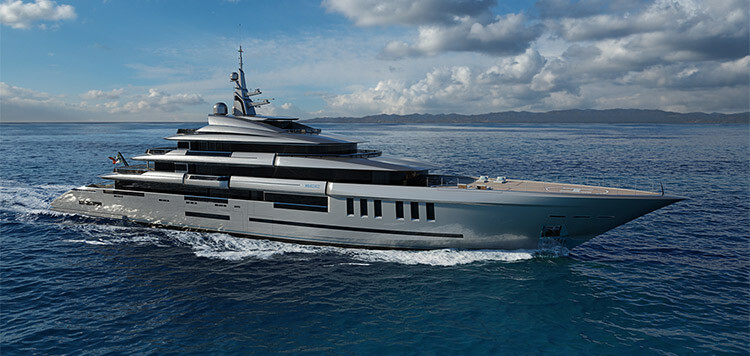 New Yacht Build
ISA 80 CONTINENTAL
4Q/2030
Italy
79.90 m
Steel & Alu
0
98 000 000
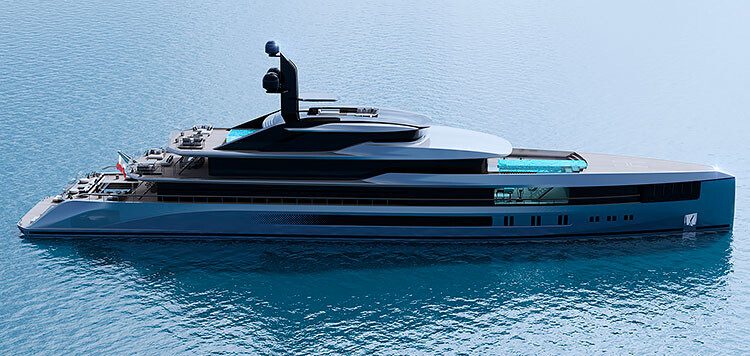 New Yacht Build
Tankoa T760 APACHE
4Q/2030
Italy
76.00 m
Steel & Alu
0
70 000 000
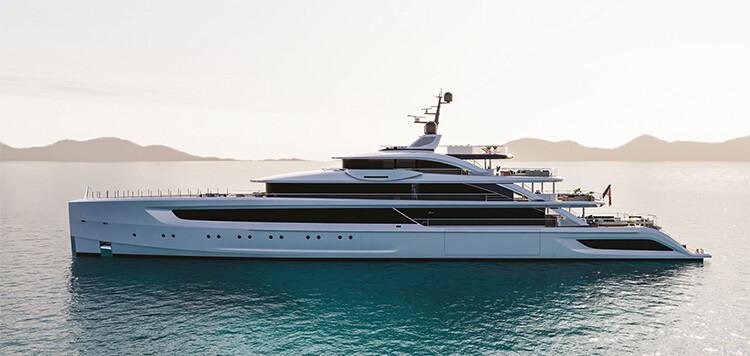 New Yacht Build
BENETTI B.CENTURY 75M
4Q/2030
Italy
75.00 m
Steel & Alu
0
115 000 000
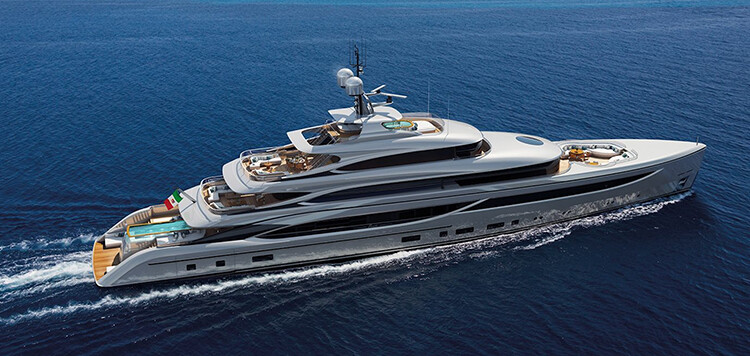 New Yacht Build
Benetti B.NOW 72M
4Q/2030
Italy
72.00 m
Steel & Alu
0
97 000 000
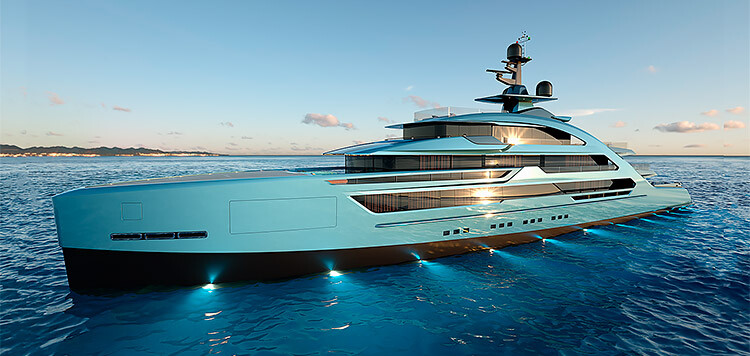 New Yacht Build
Tankoa S702 NEXT 70
4Q/2030
Италия
70.00 m
Steel & Alu
0
70 000 000
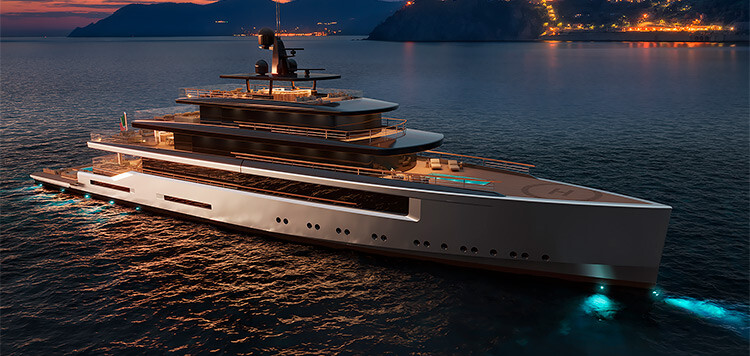 New Yacht Build
Tankoa T700 MILANO
4Q/2030
Italy
70.00 m
Steel & Alu
0
70 000 000
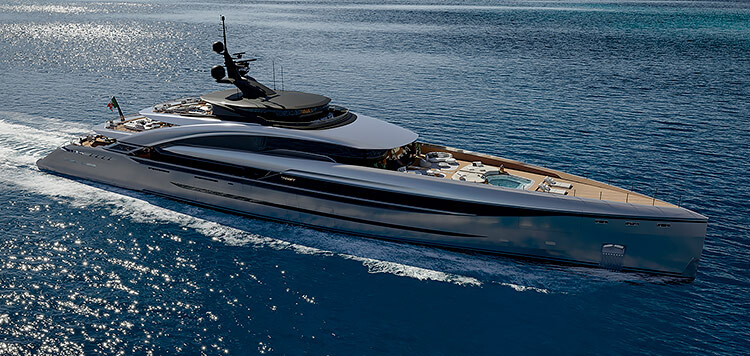 New Yacht Build
ISA GRANTURISMO 70
3Q/2030
Italy
70.00 m
Steel & Alu
0
78 000 000
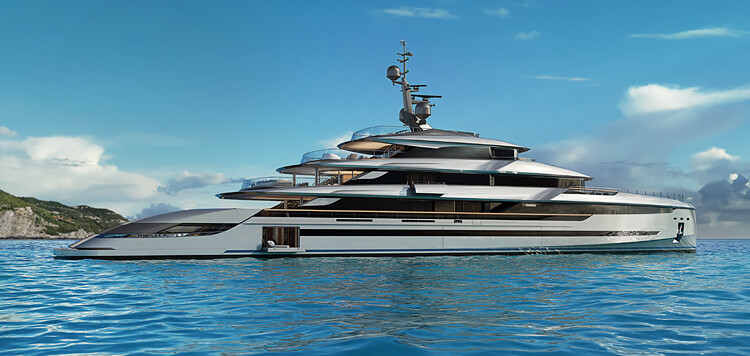 New Yacht Build
TANKOA FENICE T680
4Q/2030
Italy
68.00 m
Steel & Alu
0
84 000 000
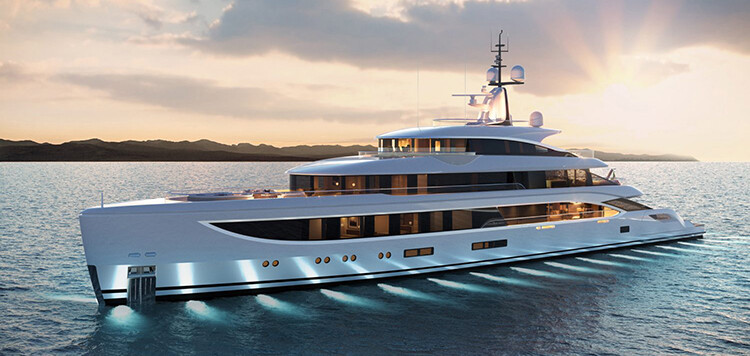 New Yacht Build
Benetti B.NOW 67M
1Q/2029
Italy
67.00 m
Steel & Alu
0
99 000 000
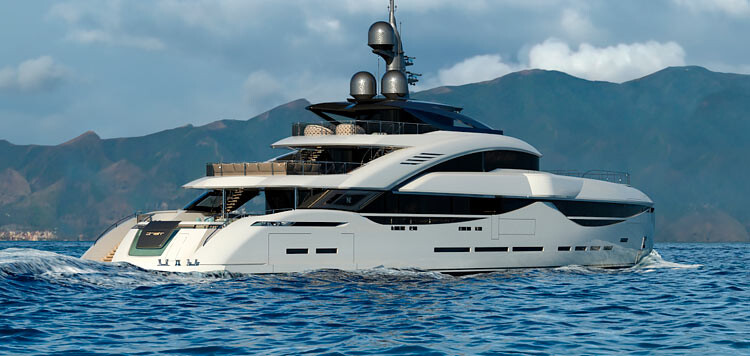 New Yacht Build
ISA Granturismo 67m
1Q/2030
Italy
66.40 m
Steel & Alu
0
55 900 000
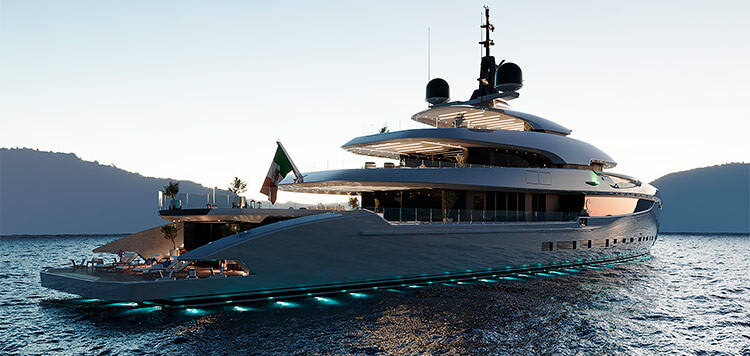 New Yacht Build
Columbus Atlantique 65
2Q/2030
Italy
65.50 m
Steel & Alu
0
64 000 000
New Yacht Build
Benetti B.LOFT 65M
2Q/2030
Italy
65.00 m
Steel & Alu
0
89 000 000
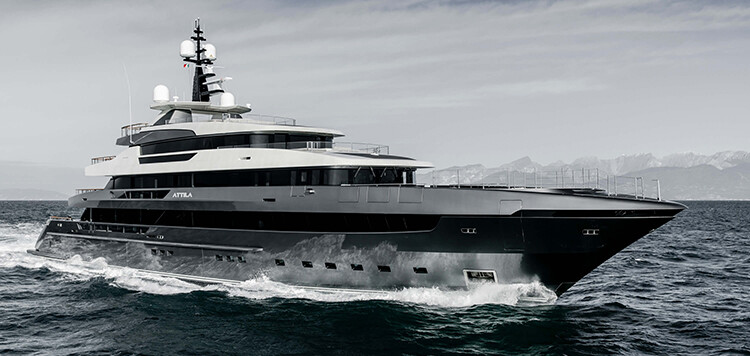 New Yacht Build
Sanlorenzo 64 Steel
2Q/2028
Italy
64.25 m
Steel & Alu
0
78 000 000
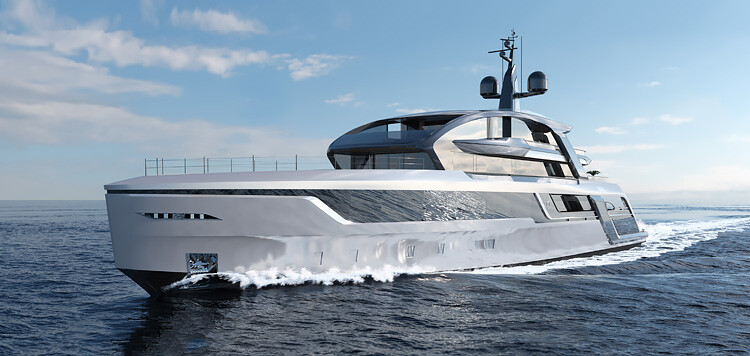 New Yacht Build
Tankoa STARDUST T63
4Q/2030
Италия
63.00 m
Steel & Alu
0
75 000 000
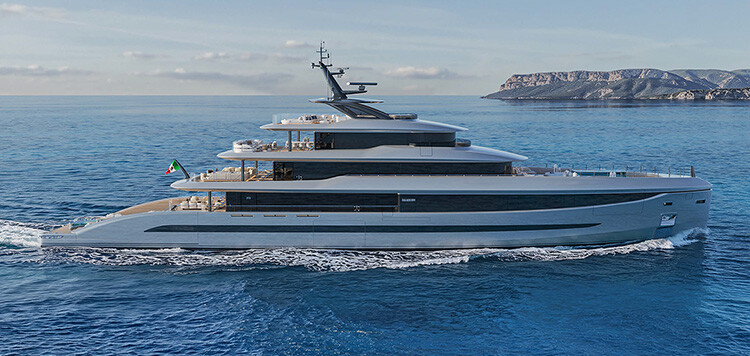 New Yacht Build
ISA Spectre 62 mt
4Q/2030
Италия
62.00 m
Steel & Alu
0
70 000 000
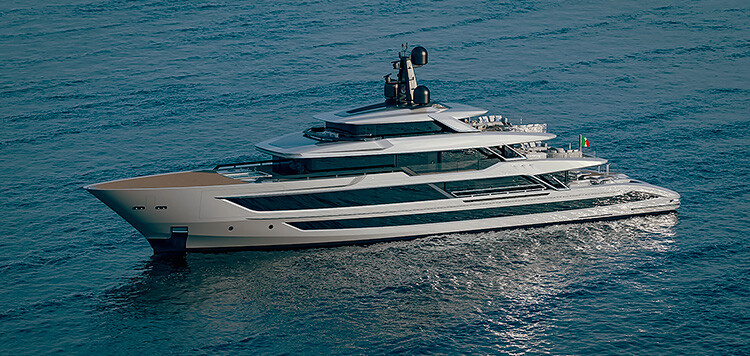 New Yacht Build
Baglietto T60
1Q/2030
Italy
60.60 m
Steel & Alu
0
60 000 000
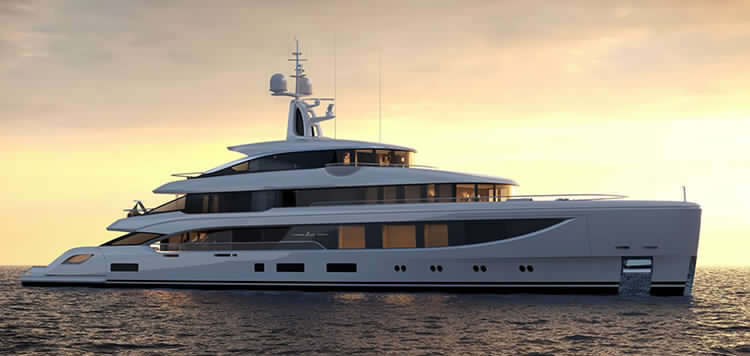 New Yacht Build
Benetti B.NOW 60M
1Q/2030
Italy
60.00 m
Steel & Alu
0
73 000 000
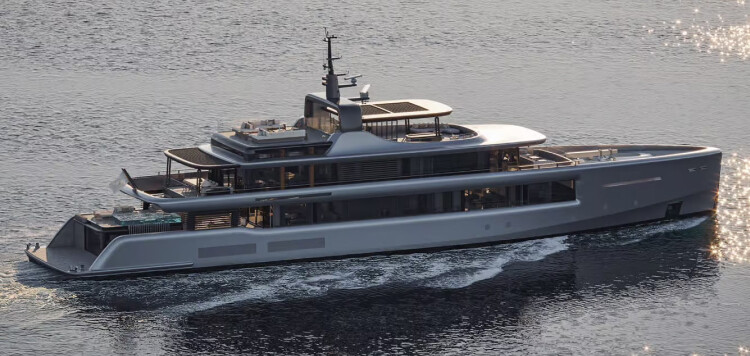 New Yacht Build
Benetti B.LOFT 58M
1Q/2030
Italy
58.00 m
Steel & Alu
0
0
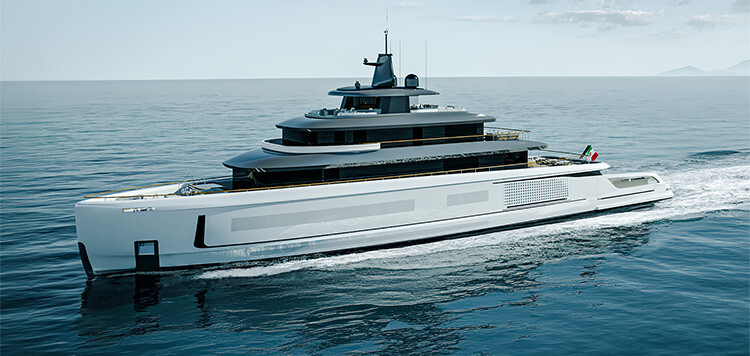 New Yacht Build
Benetti B.YOND 57M
3Q/2030
Italy
57.00 m
Steel & Alu
0
69 000 000
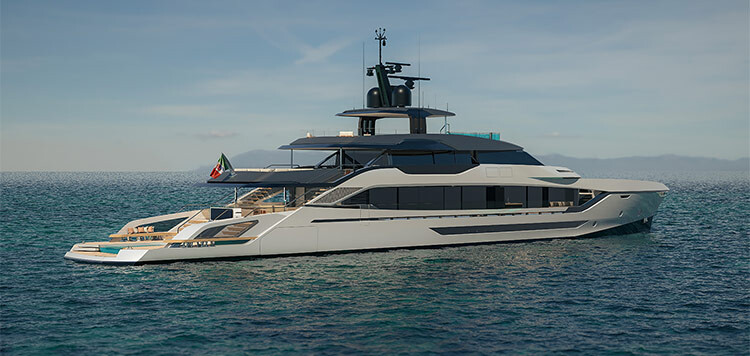 New Yacht Build
Tankoa T55 Sportiva
2Q/2027
Italy
56.00 m
Alu
0
35 000 000
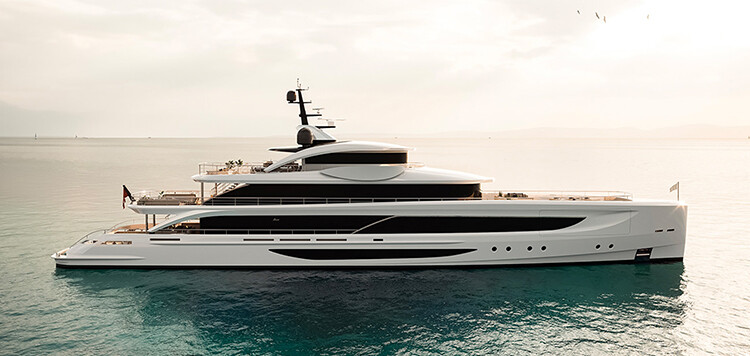 New Yacht Build
Benetti B.Century 55M
1Q/2030
Italy
55.00 m
Steel & Alu
0
62 000 000
Key Features of Steel & Aluminium Yachts
Steel yachts offer excellent structural strength, resistance to mechanical damage, long-term durability, stability and relatively straightforward repairability. Aluminium has the advantage of significantly lower weight, which translates into improved speed and manoeuvrability. When the appropriate marine-grade alloys are used, aluminium also offers good corrosion resistance in saltwater. Its disadvantages include higher production costs, greater manufacturing complexity and, due to the lower overall weight, potentially reduced stability. In practice, shipyards often combine the two materials — using steel for the hull and aluminium for the superstructure. This approach combines the strengths of both materials while also lowering the vessel’s centre of gravity relative to the waterline.
Key Features of Steel Yachts
- High strength and resistance to mechanical damage;
- Long service life and relatively straightforward repairs;
- Substantial weight, providing excellent stability and buoyancy.
Key Features of Aluminium Yachts
- Lower weight compared with steel yachts, providing advantages in speed and manoeuvrability;
- Good corrosion resistance;
- High structural strength combined with relatively low weight;
- Greater flexibility in design, allowing for more complex and sophisticated architectural solutions.

